Dwarka · Delhi
Book a verified physiotherapist at home in Dwarka
Dwarka is Delhi’s large planned sub-city on the south-west edge — numbered sectors, co-operative group housing societies, Blue Line stations, and the Sector 21 interchange toward the airport. This page lists Super Physio physiotherapists who offer home visits in Dwarka so you can compare qualifications, experience and listed session details without another long trip into central Delhi. Keep the locality filter set to Dwarka; edit timing or widen only if your building genuinely sits toward Janakpuri, Uttam Nagar or Vikaspuri. Final slots still depend on your exact sector, society gate and preferred hours. This page does not replace individual medical assessment.
Verified profiles
Qualifications and experience are checked before physiotherapists go live.
Home visits
Sessions happen at your address — no clinic commute for every follow-up.
Transparent fees
See the session fee on each profile before you book.
Editable filters
Locality stays selected, and you can still change area or timing.
Home-visit physiotherapists serving Dwarka
Filters below stay editable. Availability depends on your exact address and preferred time.
28 physios available for home visits in Dwarka
Also available nearby
₹800
per session
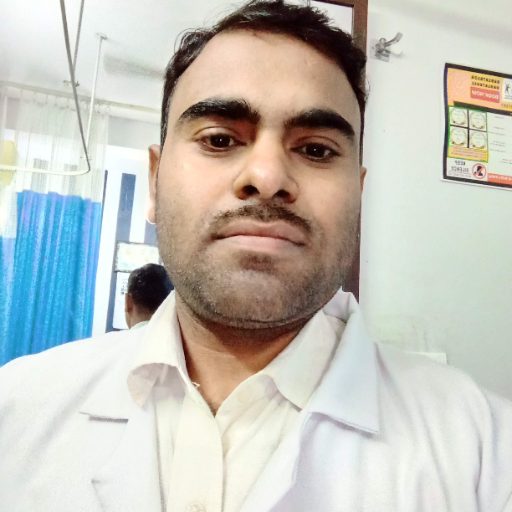
12+ yrs · Janakpuri · Rajouri Garden · +15 more
₹800
per session
Dr. Rahul Kumar is a physiotherapist specialising in General physiotherapy, Orthopaedic, Neuro, Chest, with 12+ years of experience. Available for home sessions in Janakpuri, Rajouri Garden, Vikaspuri.
₹700
per session
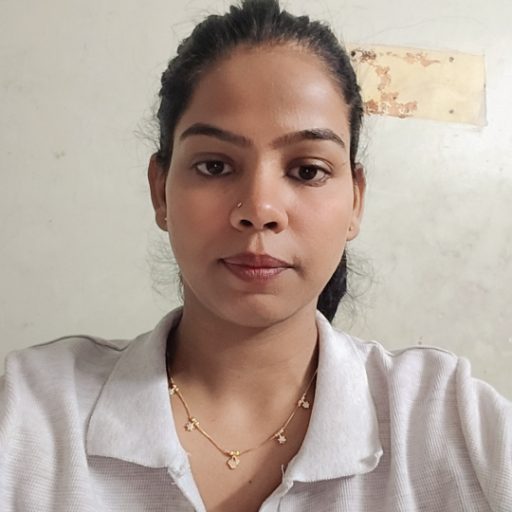
8+ yrs · Janakpuri · Dwarka · +6 more
₹700
per session
Dr. Pooja Yadav is a physiotherapist specialising in Orthopaedic, with 8+ years of experience. Available for home sessions in Janakpuri, Dwarka, Tilak Nagar.
₹600
per session

8+ yrs · Green Park · Hauz Khas · +114 more
₹600
per session
Dr. Yashika Chaudhary is a physiotherapist specialising in Orthopaedic, Neuro, Sports, Geriatric, Post-operative, Chest, Onco physiotherapy, Women's health, Pediatric, Chronic pain, General physiotherapy, with 8+ years of experience. Available for home sessions in Green Park, Hauz Khas, Safdarjung Enclave.
₹1000
per session
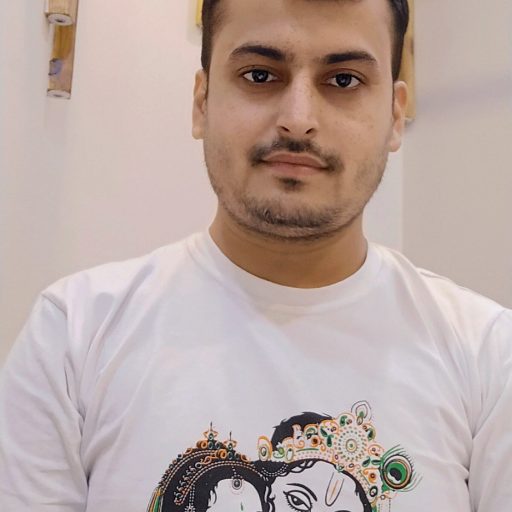
7+ yrs · DLF Phase 1 · DLF Phase 2 · +82 more
₹1000
per session
Dr. Amit Mishra is a physiotherapist specialising in Orthopaedic, Neuro, Sports, Geriatric, Post-operative, Chest, Women's health, Chronic pain, General physiotherapy, Pediatric, with 7+ years of experience. Available for home sessions in DLF Phase 1, DLF Phase 2, DLF Phase 4.
₹1000
per session

5+ yrs · Janakpuri · Punjabi Bagh · +7 more
₹1000
per session
Dr. Ankit Rathor is a physiotherapist specialising in Orthopaedic, General physiotherapy, with 5+ years of experience. Available for home sessions in Janakpuri, Punjabi Bagh, Rajouri Garden.
₹1000
per session
4+ yrs · Janakpuri · Rajouri Garden · +4 more
₹1000
per session
Dr. Mohammad Neyaz Khan is a physiotherapist specialising in Orthopaedic, Neuro, Sports, Geriatric, Post-operative, Chest, Women's health, Pediatric, Chronic pain, General physiotherapy, with 4+ years of experience. Available for home sessions in Janakpuri, Rajouri Garden, Tilak Nagar.
₹800
per session
3+ yrs · Janakpuri · Uttam Nagar · +3 more
₹800
per session
Dr. Sudhanshu Gupta is a physiotherapist specialising in Sports, Neuro, Orthopaedic, Post-operative, Chronic pain, General physiotherapy, with 3+ years of experience. Available for home sessions in Janakpuri, Uttam Nagar, Vikaspuri.
₹600
per session

3+ yrs · Green Park · Hauz Khas · +39 more
₹600
per session
Dr. Jagrit Kumar is a physiotherapist specialising in Sports, Post-operative, General physiotherapy, Chronic pain, Orthopaedic, Chest, with 3+ years of experience. Available for home sessions in Green Park, Hauz Khas, Safdarjung Enclave.
₹900
per session

3+ yrs · Janakpuri · Dwarka · +6 more
₹900
per session
Dr. Prem Prakash is a physiotherapist specialising in Neuro, Orthopaedic, Geriatric, Post-operative, Chest, Pediatric, Chronic pain, General physiotherapy, with 3+ years of experience. Available for home sessions in Janakpuri, Dwarka, Vikaspuri.
₹1000
per session
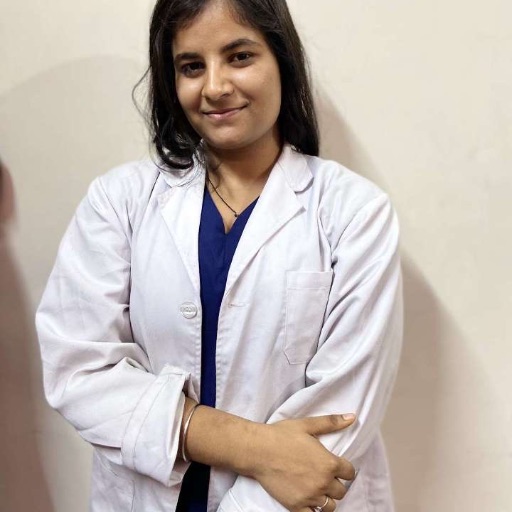
3+ yrs · Dwarka · Uttam Nagar · +3 more
₹1000
per session
Dr. Shreshtha Patel is a physiotherapist specialising in General physiotherapy, with 3+ years of experience. Available for home sessions in Dwarka, Uttam Nagar, Janakpuri.
₹800
per session

3+ yrs · Janakpuri · Vikaspuri · +2 more
₹800
per session
Dr. Rama Kant is a physiotherapist specialising in Orthopaedic, Sports, Neuro, Chronic pain, with 3+ years of experience. Available for home sessions in Janakpuri, Vikaspuri, Dwarka.
₹1000
per session
2+ yrs · Janakpuri · Punjabi Bagh · +16 more
₹1000
per session
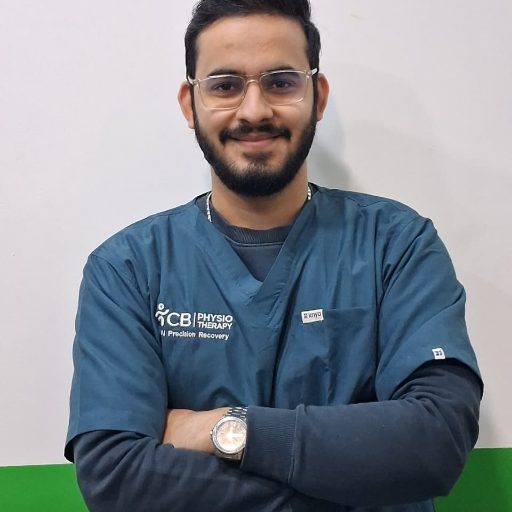
Dr. Saksham Kataria is a physiotherapist specialising in Orthopaedic, Neuro, Sports, Geriatric, Post-operative, Chronic pain, General physiotherapy, Onco physiotherapy, Pediatric, with 2+ years of experience. Available for home sessions in Janakpuri, Punjabi Bagh, Rajouri Garden.
Showing 12 of 28
Why a clinic trip from a Dwarka sector often costs more energy than the session
On a map Dwarka looks orderly: sectors in a grid, metro stations named after those sectors, clear arterial roads. On a painful knee or after surgery, the same layout means long internal roads between your society and the nearest clinic, and peak-hour crawl toward Janakpuri West, Palam and the airport side. The Blue Line stitches the sub-city together — from Dwarka Sector 21 through the mid-sectors toward Dwarka Mor and Uttam Nagar — and Sector 21’s Airport Express interchange helps travellers, but stairs, footbridges and the last auto from the gate still punish someone who cannot walk far. Central Delhi appointments add another stretch across the city. Home-visit physiotherapy brings assessment to the flat you live in. On Super Physio, therapists choose the localities they serve; with Dwarka selected you only see profiles that list this area. When you enquire, name the sector number and the society or DDA block — “Dwarka” alone is too broad for CGHS compounds and sector pockets.
Why Dwarka households commonly look for a physiotherapist at the door
Requests here often track how people live across a spread-out sub-city. Desk and hybrid workers whose neck, shoulder or low-back strain flares after Blue Line or expressway days; older adults in CGHS flats who need safer indoor walking and bathroom-threshold work on the corridor they use daily; post-joint-replacement or fracture recovery when lift lobbies, stilt parking and society steps matter more than a clinic treadmill; and families supporting stroke or hospital discharge who cannot sustain repeated trips past Janakpuri into central hospitals. Soft-tissue injuries after a slip on a society courtyard also suit home care when travel would interrupt rest. Airport-corridor households sometimes need flexible windows around shift work. The sector-and-society pattern makes travel the recurring barrier. Suitability still depends on diagnosis, your doctor’s advice and a hands-on assessment — not a generic exercise sheet for every flat.
Who in Dwarka’s CGHS towers and sector flats gains most from a home visit
The housing mix is largely planned stock: DDA and co-operative group housing society apartments, builder floors in some pockets, and quieter mid-rise blocks. People who benefit most are often those for whom the barrier is the building and the distance: someone recovering after surgery who should not queue at a metro gate; an elderly parent whose balance practice belongs on their own landing; a caregiver juggling work and rehab across a large sub-city; and patients whose programme needs real furniture layout, door widths and bathroom rails. Shift workers toward the airport-side sectors may prefer evening or weekend slots. Home care is not automatically better for every diagnosis — some people still need specialist clinics or gym equipment — but when walking tolerance is low and the address sits deep inside a numbered sector, a visit at home can keep rehabilitation continuous. This page helps you find a qualified professional who can reach Dwarka; it does not diagnose you or promise a timeline.
When to skip the Dwarka physio slot and seek urgent medical care first
Home physiotherapy can support recovery when you are stable enough for community care. It is the wrong next step when red-flag symptoms appear. Seek urgent medical care — not a routine home slot — if you develop sudden severe pain, new weakness or numbness, loss of bladder or bowel control, chest pain or breathlessness, fever with a hot swollen joint, a painful swollen calf, or any post-surgical warning your surgeon told you to watch for. Do not wait for a Dwarka appointment while those signs evolve; go to emergency or contact your treating doctor first. Even when symptoms feel familiar, this page does not replace an individual medical assessment. Diagnosis, imaging and medication changes stay with your doctor; physiotherapy plans should follow assessment plus any surgical or discharge instructions you already have.
What usually shapes the quote for a Dwarka home session
Session length, visit frequency in the first weeks, and travel effort across the sub-city all influence what you are quoted — without any single figure applying to every sector. A first assessment after joint surgery may run longer than a short soft-tissue follow-up. Addresses deep in mid-sectors, higher floors when the society lift is unreliable, or evening slots that fight Palam–airport and Janakpuri-bound traffic can change travel load. Frequency matters too: daily early rehab aggregates differently from twice-weekly maintenance even when each visit looks similar. Always read the fee shown on the profile before you confirm. If two listings differ, compare duration, inclusions and cancellation terms rather than assuming the lower quote covers the same work. Sharing your sector number and society name at booking helps the therapist judge travel time honestly instead of guessing from a vague “Dwarka” pin.
Frequently asked questions
+−What if nothing is available at my preferred time in Dwarka?
Keep Dwarka selected and try another window or day. Only widen to Janakpuri, Uttam Nagar, Vikaspuri or Tilak Nagar if that genuinely matches your building. Do not book a therapist who does not list your locality. Supply changes through the week, so checking again later is often worthwhile.
+−Does this Dwarka page replace a medical assessment?
No. It helps you find and compare home-visit physiotherapists who serve Dwarka. This page does not replace an individual medical assessment. Diagnosis, scans and medicines remain with your doctor; physiotherapy plans should follow that advice and a hands-on assessment.
+−What equipment is needed at home for a Dwarka visit?
Most sessions use your own chairs, bed, walls and clear floor space. A firm chair, a clear corridor for walking practice, and discharge notes usually matter more than buying machines. Your physiotherapist will say if a simple aid is helpful after they see your flat.
+−How are physiotherapists verified on Super Physio?
Profiles show qualifications and experience so you can compare them before booking. Prefer a verified listing that includes Dwarka for home visits over an unknown provider merely willing to come to a sector gate. Confirm the locality match yourself — credential checks are not a guarantee that every slot is free.
+−Is there anything specific for elderly patients in Dwarka societies?
Yes — many older adults here live in CGHS or DDA flats where lobby steps, lift waits, bathroom thresholds and long walks from the sector road are the hard parts. Home visits let the therapist practise transfers and indoor walking where falls actually happen. Share mobility limits, recent falls and discharge notes, and say whether a family member will be present.
+−What should I prepare before the first visit — especially my Dwarka address?
Keep prescriptions, imaging summaries and surgical precautions ready. Clear a short stretch of floor if gait work is likely. Most important in Dwarka: write the sector number, society or CGHS name, tower or flat, nearest landmark or metro station, and gate instructions. “Sector 12, ABC CGHS, Tower B” is far more useful than “Dwarka” alone — therapists otherwise lose time among similarly numbered blocks. Note lift status and floor so arrival planning is realistic.
Sources
Educational information only — not personal medical advice. Recovery plans vary; follow your treating doctor or surgeon when their instructions differ.