Munirka · Delhi
Book a verified physiotherapist at home in Munirka
Munirka sits on South Delhi’s Outer Ring Road edge between JNU, IIT Delhi, Vasant Vihar and RK Puram — an older urban-village core of dense multi-storey rentals beside DDA flats and Munirka Vihar. This page lists Super Physio physiotherapists who include Munirka for home visits, so you can weigh qualifications and experience without another climb down a narrow stairwell for every outpatient slot. Keep the filter on Munirka; if your gate reads closer to Vasant Vihar, RK Puram or Hauz Khas, switch the locality rather than assuming adjacency is enough. Exact slots still depend on your building and preferred window. Reading this guide never stands in for a clinician examining you in person.
Verified profiles
Qualifications and experience are checked before physiotherapists go live.
Home visits
Sessions happen at your address — no clinic commute for every follow-up.
Transparent fees
See the session fee on each profile before you book.
Editable filters
Locality stays selected, and you can still change area or timing.
Home-visit physiotherapists serving Munirka
Filters below stay editable. Availability depends on your exact address and preferred time.
13 physios available for home visits in Munirka
Also available nearby
₹2000
per session

6+ yrs · Munirka · Vasant Vihar
₹2000
per session
Dr. Rishab Tokas is a physiotherapist specialising in Orthopaedic, Sports, Geriatric, Post-operative, Onco physiotherapy, Chronic pain, General physiotherapy, with 6+ years of experience. Available for home sessions in Munirka, Vasant Vihar.
₹800
per session

6+ yrs · Hauz Khas · Green Park · +24 more
₹800
per session
Dr. Ashhar Abbas is a physiotherapist specialising in Sports, Geriatric, Neuro, Orthopaedic, Post-operative, Chest, Chronic pain, General physiotherapy, with 6+ years of experience. Available for home sessions in Hauz Khas, Green Park, Safdarjung Enclave.
₹1200
per session

5+ yrs · Lajpat Nagar · Malviya Nagar · +72 more
₹1200
per session
Dr. Sukhvendra Singh is a physiotherapist specialising in Sports, General physiotherapy, Chronic pain, Women's health, Post-operative, Neuro, Orthopaedic, with 5+ years of experience. Available for home sessions in Lajpat Nagar, Malviya Nagar, Saket.
₹600
per session

3+ yrs · Green Park · Hauz Khas · +39 more
₹600
per session
Dr. Jagrit Kumar is a physiotherapist specialising in Sports, Post-operative, General physiotherapy, Chronic pain, Orthopaedic, Chest, with 3+ years of experience. Available for home sessions in Green Park, Hauz Khas, Safdarjung Enclave.
₹699
per session

3+ yrs · Nehru Place · South Extension · +12 more
₹699
per session
Dr. Zubair Bhat is a physiotherapist specialising in Orthopaedic, Neuro, Post-operative, General physiotherapy, with 2+ years of experience. Available for home sessions in Model Town, Civil Lines, New Jawahar Nagar.
₹1000
per session

2+ yrs · Janakpuri · Punjabi Bagh · +16 more
₹1000
per session
Dr. Saksham Kataria is a physiotherapist specialising in Orthopaedic, Neuro, Sports, Geriatric, Post-operative, Chronic pain, General physiotherapy, Onco physiotherapy, Pediatric, with 2+ years of experience. Available for home sessions in Janakpuri, Punjabi Bagh, Rajouri Garden.
₹1000
per session
2+ yrs · Hauz Khas · Green Park · +35 more
₹1000
per session
Dr. Aatif Hasan is a physiotherapist specialising in Orthopaedic, Neuro, Geriatric, Chest, Post-operative, Chronic pain, General physiotherapy, with 2+ years of experience. Available for home sessions in Hauz Khas, Green Park, Greater Kailash.
₹1200
per session
1+ yrs · Hauz Khas · Green Park · +7 more
₹1200
per session
Dr. Aman Gupta is a physiotherapist specialising in Neuro, Chronic pain, General physiotherapy, with 1+ years of experience. Available for home sessions in Hauz Khas, Green Park, Safdarjung Enclave.
₹1000
per session
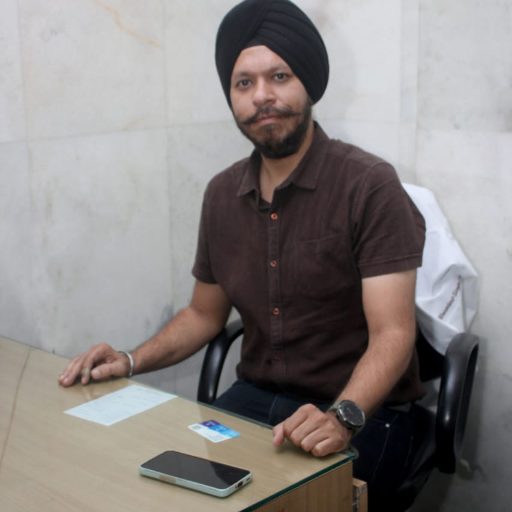
21+ yrs · Janakpuri · Punjabi Bagh · +38 more
₹1000
per session
Dr. Bhavdeep Singh is a physiotherapist specialising in Orthopaedic, Neuro, Geriatric, Post-operative, Chest, Onco physiotherapy, Chronic pain, General physiotherapy, Sports, with 21+ years of experience. Available for home sessions in Janakpuri, Punjabi Bagh, Rajouri Garden.
₹800
per session
10+ yrs · Hauz Khas · Green Park · +44 more
₹800
per session
Dr. Sohan Rajput is a physiotherapist specialising in Orthopaedic, Neuro, Pediatric, Onco physiotherapy, Chest, Post-operative, Geriatric, Sports, Women's health, Chronic pain, General physiotherapy, with 10+ years of experience. Available for home sessions in Hauz Khas, Green Park, Greater Kailash.
₹1000
per session
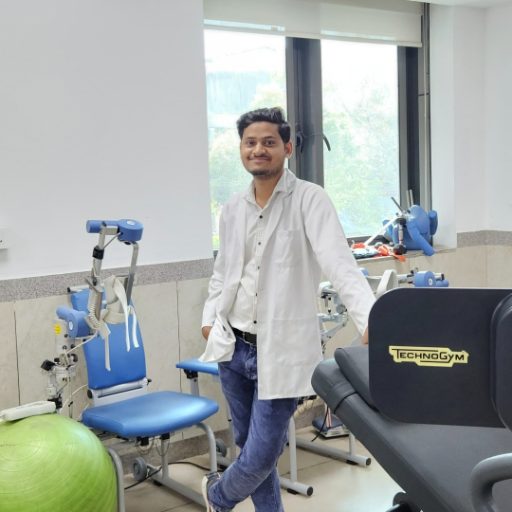
4+ yrs · Hauz Khas · Green Park · +26 more
₹1000
per session
Dr. Amit Kumar Prasad is a physiotherapist specialising in Orthopaedic, Sports, Geriatric, Post-operative, General physiotherapy, with 4+ years of experience. Available for home sessions in Hauz Khas, Green Park, Greater Kailash.
₹1100
per session
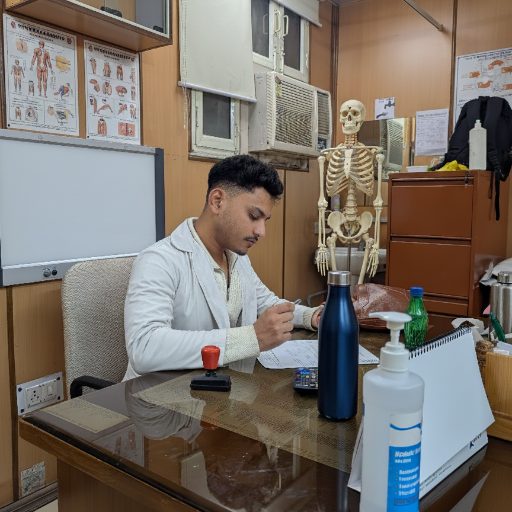
2+ yrs · Karol Bagh · Rajendra Nagar · +15 more
₹1100
per session
Dr. Rishabh Dwivedy is a physiotherapist specialising in Sports, Post-operative, with 4+ years of experience. Available for home sessions in Karol Bagh, Rajendra Nagar, Connaught Place.
Showing 12 of 13
Village lanes, DDA blocks and Outer Ring Road: why leaving a Munirka walk-up for clinic physio drains the day
Munirka is not one housing type. The urban-village lanes pack multi-storey rental buildings with tight staircases, parked scooters and little room to rest mid-climb; DDA flats and Munirka Vihar add more orderly blocks and lobbies a short hop away. On a map the neighbourhood looks compact beside JNU to the south, IIT Delhi and Ber Sarai toward the south-east, Vasant Vihar on the north-west and RK Puram to the north, with the Outer Ring Road forming part of the boundary. For someone recovering from surgery or managing stairs with a walker, that compactness does not shrink the outing. Magenta Line access at Munirka metro helps relatives arrive, yet it does not remove the descent from a fourth-floor PG or rental floor without a lift, the wait for an auto on a clogged village lane, or peak congestion where Nelson Mandela Marg and the Ring Road meet the colony edge. Students and working tenants share the same stair problem as older residents — limited standing tolerance meets dense vertical housing. Home-visit physiotherapy brings assessment to the floor you actually live on. On Super Physio, therapists choose the localities they serve; with Munirka selected you only see profiles that list this area. When you enquire, say whether you are in the village core, a DDA block or Munirka Vihar, give a flat or floor number, and add a landmark such as the metro exit, Outer Ring Road approach or the JNU / IIT side — “near Munirka” alone is rarely enough when lanes look alike to a first-time visitor.
What the first Munirka home session usually covers — and what to have ready
The opening visit is an assessment, not a fixed exercise circuit. Expect history-taking, a review of any discharge summary or surgical precautions you have, and a movement check in the rooms you actually use — bed to bathroom, kitchen threshold, and the stair flight you climb daily. Have ready: recent imaging or operation notes if you have them, a medication and allergy list, the walking aid you normally use, and footwear you wear indoors. In an urban-village walk-up, say the floor number and whether anyone must open a lane gate; in DDA flats or Munirka Vihar, note lift status, lobby parking and block labels. Clear a short stretch of floor if gait practice is likely, and mention wet bathroom tiles or loose rugs early. The goal is a plan matched to your stage of recovery and your doctor’s instructions — not a programme copied from another patient in a different building type. Suitability still depends on diagnosis and a hands-on review; this page surfaces clinicians who will visit Munirka, not a generic sheet for every tenant floor.
After you confirm a Munirka slot: schedule, access notes, payment and support
Once you choose a profile and complete booking, you receive a confirmed window with the fee shown on that listing before you commit. Keep your phone reachable for access questions — which village lane, which DDA block letter, whether the lift stops short, or how to approach from Outer Ring Road versus the JNU side. Payment follows the process shown at booking; if anything on the profile looks unclear, ask before the visit rather than assuming. Need to move the time? Use the reschedule or support path in your confirmation so the therapist’s travel plan can update around dense parking and stair climbs. Follow-up timing is agreed after the first assessment based on how you respond and any advice already given by your doctor or surgeon; they should explain what to practise between sessions and when to seek medical review if symptoms change. If your preferred hour is empty, keep Munirka selected and try another window, or widen only when your building truly sits in Vasant Vihar, RK Puram, Hauz Khas or Safdarjung Enclave — never book someone who does not list your locality.
Red-flag symptoms that need urgent care before any Munirka physio booking
Physiotherapy is for assessed, stable rehabilitation — not sudden medical emergencies. Do not wait for a booked home visit if you develop red-flag symptoms: sudden severe pain, new weakness or numbness, loss of bladder or bowel control, chest pain or breathlessness, fever with a hot swollen joint, a painful swollen calf, or any post-surgical warning your surgeon told you to watch for. Seek urgent medical care first. Living near major South Delhi hospitals or campus clinics does not change that sequence; proximity helps only if you go when those signs appear. Once a doctor clears you for community physiotherapy, a Munirka home visit can resume with clearer precautions and goals. Even when symptoms feel familiar, this page is not a substitute for individual medical assessment — imaging decisions, medicines and surgical clearances remain with your doctor.
What usually shapes the fee for a Munirka home session — without quoting a number
Session cost on Super Physio is shown on each physiotherapist’s profile before you book; this page never hard-codes a figure because supply and travel patterns change. What typically moves the amount is session length, how often visits are planned, the complexity of the presentation, and the travel time a clinician budgets to reach your building. A fourth-floor urban-village rental with scooter-blocked lanes can take longer to access than a ground-floor DDA flat near Outer Ring Road — that practical detail belongs in your booking notes. Frequency should follow clinical need and your doctor’s advice, not a package sold before assessment. Compare the fee on the listing, ask about follow-up timing after the first visit, and only widen locality filters when your address genuinely sits elsewhere.
Between Munirka visits: home practice, review points and when to adjust the plan
Progress after the first session usually depends on what you practise on the same stairs, bathroom step and corridor you use between appointments — not on how often you sit in Outer Ring Road traffic for outpatient slots. Ask the physiotherapist to write down a short home programme you can actually fit into a rented floor or DDA flat: sit-to-stand cues, safe stair pacing, and when to stop if pain spikes. Review points matter: if swelling rises, night pain worsens, or a post-surgical precaution feels unclear, contact your treating doctor before pushing harder at home. Students and working tenants sharing dense walk-ups may need simpler setups — a firm chair and a clear path often beat borrowed gym kit. Caregivers can learn transfers on the exact staircase between floors rather than on unfamiliar clinic steps. If your lease ends mid-course, ask for a written summary another clinician can continue from. Prefer verified Super Physio credentials over an unknown visitor who simply offers to climb to your floor. Keeping the Munirka filter selected while you adjust timing or specialty keeps results honest to where you live.
Frequently asked questions
+−Does Munirka cover the urban village, DDA flats and Munirka Vihar as one area?
Yes. Munirka is handled as one service locality, so the same eligible profiles appear whether you live in the dense village-core rentals, DDA flat blocks or Munirka Vihar. Share which pocket you are in, your floor or block label, and a landmark such as the metro exit, Outer Ring Road approach or the JNU / IIT side when you book — those pockets can feel far apart once village lanes clog.
+−Is home physiotherapy suitable after surgery if I live in a Munirka walk-up?
Often yes once your surgeon or treating doctor clears you for community-based care, especially when climbing narrow village stairs or sitting through Outer Ring Road traffic would wipe out the benefit of an outpatient slot. Suitability still depends on your procedure, precautions and a hands-on assessment — not on the locality name alone.
+−Can I treat this Munirka page as my medical assessment?
No. It is a directory and booking surface for clinicians who will come to Munirka addresses — not a diagnosis tool. Imaging decisions, medicines and surgical clearances remain with your doctor. Any physiotherapy plan should follow their advice plus a hands-on assessment in your home.
+−What equipment is needed at home for a Munirka visit?
Most sessions use space you already have: a firm chair, a clear walking path, and any walking aid you normally use. Your physiotherapist may suggest simple household items such as a towel or a stable step for practice, but specialised machines are not required for typical home care. In a compact village rental, clearing a short floor strip matters more than owning gym equipment. If you already have exercise bands or a walker from hospital discharge, keep them handy and ask whether they fit the plan.
+−How are physiotherapists on Super Physio verified for Munirka visits?
Super Physio lists profiles with qualifications and experience you can review before booking, and prefers verified listings over an unknown visitor who simply offers to come to a village lane or DDA gate. Always confirm Munirka appears in the therapist’s service areas, read specialties that match your need without treating a label as a promised outcome, and check that session information is shown clearly before you commit.
+−Is there anything specific for elderly patients in Munirka’s stair-heavy buildings?
Yes — tell the physiotherapist your floor number, whether there is a lift, fall history, and how you currently manage bathroom and stair transfers in a village walk-up or DDA block. Prefer profiles with geriatric or neurological experience when that matches the need, and keep red-flag symptoms for urgent medical care rather than waiting for the next routine slot. A family member present for the first visit often helps with lane access and learning safe assistance between sessions.
Sources
Educational information only — not personal medical advice. Recovery plans vary; follow your treating doctor or surgeon when their instructions differ.