Patparganj · Delhi
Book a verified physiotherapist at home in Patparganj
Patparganj in East Delhi is shaped by co-operative group-housing societies, CGHS complexes and the denser IP Extension pocket off Mother Dairy Road and the NH-24 corridor. This page lists Super Physio physiotherapists who offer home visits in Patparganj so you can compare qualifications, experience and listed session details before you book. Final availability still depends on your exact tower and preferred time. This page does not replace an individual medical assessment; it helps you find a qualified professional who can visit where you live.
Verified profiles
Qualifications and experience are checked before physiotherapists go live.
Home visits
Sessions happen at your address — no clinic commute for every follow-up.
Transparent fees
See the session fee on each profile before you book.
Editable filters
Locality stays selected, and you can still change area or timing.
Home-visit physiotherapists serving Patparganj
Filters below stay editable. Availability depends on your exact address and preferred time.
22 physios available for home visits in Patparganj
Also available nearby
₹600
per session

8+ yrs · Green Park · Hauz Khas · +114 more
₹600
per session
Dr. Yashika Chaudhary is a physiotherapist specialising in Orthopaedic, Neuro, Sports, Geriatric, Post-operative, Chest, Onco physiotherapy, Women's health, Pediatric, Chronic pain, General physiotherapy, with 8+ years of experience. Available for home sessions in Green Park, Hauz Khas, Safdarjung Enclave.
₹800
per session

4+ yrs · Rohini · Pitampura · +39 more
₹800
per session
Dr. Yashank Sharma is a physiotherapist specialising in Orthopaedic, Neuro, Sports, Geriatric, Post-operative, Chest, Onco physiotherapy, Women's health, Pediatric, Chronic pain, General physiotherapy, with 4+ years of experience. Available for home sessions in Rohini, Pitampura, Shalimar Bagh.
₹1500
per session

4+ yrs · Mayur Vihar · Patparganj · +34 more
₹1500
per session
Dr. Haris Khan is a physiotherapist specialising in Orthopaedic, Neuro, Sports, Geriatric, Post-operative, Chest, Onco physiotherapy, Women's health, Pediatric, Chronic pain, General physiotherapy, with 5+ years of experience. Available for home sessions in Mayur Vihar, Patparganj, Laxmi Nagar.
₹1000
per session
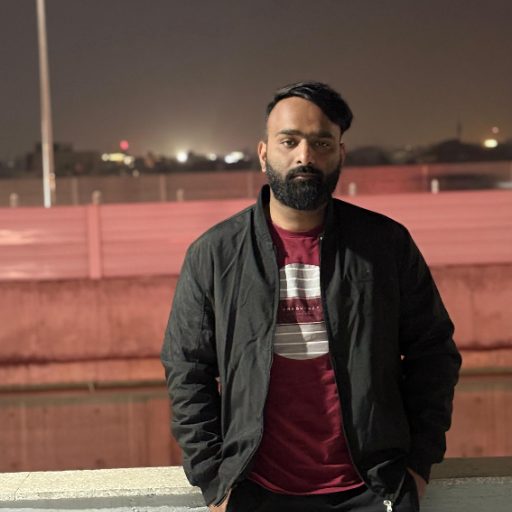
3+ yrs · Hauz Khas · Green Park · +38 more
₹1000
per session
Dr. Chetan Kumar is a physiotherapist specialising in Orthopaedic, Sports, Post-operative, General physiotherapy, with 3+ years of experience. Available for home sessions in Hauz Khas, Green Park, Lajpat Nagar.
₹600
per session

3+ yrs · Green Park · Hauz Khas · +39 more
₹600
per session
Dr. Jagrit Kumar is a physiotherapist specialising in Sports, Post-operative, General physiotherapy, Chronic pain, Orthopaedic, Chest, with 3+ years of experience. Available for home sessions in Green Park, Hauz Khas, Safdarjung Enclave.
₹750
per session

1+ yrs · Karol Bagh · Rajendra Nagar · +32 more
₹750
per session
Dr. Ajeet Sharma is a Pain Specialist and Exercise Trainer Physiotherapist. He Expertise in Sports, Orthopaedic, Neuro, General physiotherapy. He Treats Chronic pain, Geriatric, Post-operative conditions with 1+ years of experience. Available for home sessions in East Delhi - Laxmi Nagar, Preet Vihar, Shahdara Krishna Nagar Nirman Vihar .
₹700
per session

1+ yrs · Mayur Vihar · Patparganj · +10 more
₹700
per session
Dr. Dipti Vashisht is a physiotherapist specialising in General physiotherapy, with 1+ years of experience. Available for home sessions in Mayur Vihar, Patparganj, Laxmi Nagar.
₹800
per session
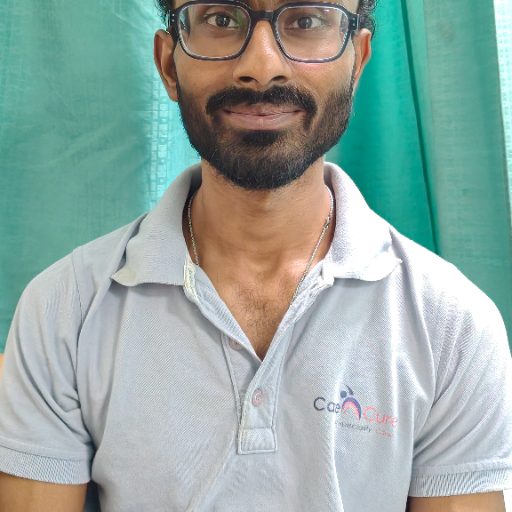
25+ yrs · Laxmi Nagar · Preet Vihar · +4 more
₹800
per session
Dr. Abishek Purbey is a physiotherapist specialising in Orthopaedic, Post-operative, Chest, Sports, Neuro, with 25+ years of experience. Available for home sessions in Laxmi Nagar, Preet Vihar, Mayur Vihar.
₹1500
per session
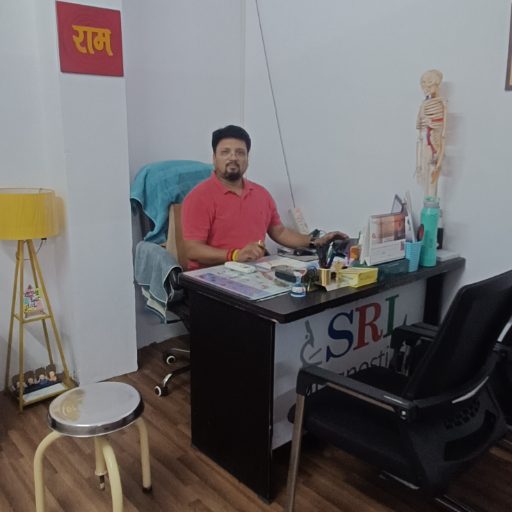
17+ yrs · Mayur Vihar · Patparganj · +82 more
₹1500
per session
Dr. Manish Gupta is a physiotherapist specialising in Neuro, Post-operative, General physiotherapy, Chronic pain, with 17+ years of experience. Available for home sessions in Mayur Vihar, Patparganj, Shahdara.
₹1500
per session
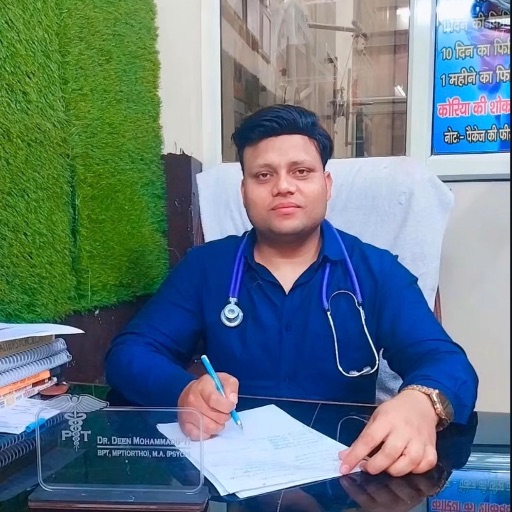
10+ yrs · Shahdara · Dilshad Garden · +4 more
₹1500
per session
Dr. Deen Mohd is a physiotherapist specialising in Orthopaedic, with 10+ years of experience. Available for home sessions in Shahdara, Dilshad Garden, Vivek Vihar.
₹800
per session
10+ yrs · Hauz Khas · Green Park · +44 more
₹800
per session
Dr. Sohan Rajput is a physiotherapist specialising in Orthopaedic, Neuro, Pediatric, Onco physiotherapy, Chest, Post-operative, Geriatric, Sports, Women's health, Chronic pain, General physiotherapy, with 10+ years of experience. Available for home sessions in Hauz Khas, Green Park, Greater Kailash.
₹800
per session

8+ yrs · Hauz Khas · Green Park · +45 more
₹800
per session
Dr. Anand Chauhan is a physiotherapist specialising in General physiotherapy, with 8+ years of experience. Available for home sessions in Hauz Khas, Green Park, Greater Kailash.
Showing 12 of 22
How a home visit actually unfolds inside a Patparganj society
Once you book, the physiotherapist plans travel around your society’s gate timings, visitor slip rules and lift access — CGHS and co-operative blocks often need a named resident at the boom barrier, while some IP Extension towers ask for a temporary entry pass. The session usually starts with history, mobility goals, surgical notes if you have them, and how you move between bed, chair, bathroom and balcony. Treatment then uses that layout: corridor walking in a long CGHS passage, step practice between lobby and parking, or sit-to-stand beside furniture you actually use. Bring discharge papers and any walking aid you own. If guest parking or the lift queue runs long at peak hours, say so when you confirm the slot so arrival padding does not cut the session short.
NH-24, Mother Dairy Road and why the clinic trip is the hard part
A clinic trip can mean leaving a Patparganj society, joining the NH-24 / Vikas Marg crush toward Laxmi Nagar or Mayur Vihar, then finding an auto back — twice a week that alone stops many older residents and post-surgery families. Mother Dairy Road, IP Extension internals and the Preet Vihar Metro approaches stay stop-start in the evening; monsoon waterlogging adds delay. Inside many co-op and CGHS complexes the gate-to-tower walk is long and lifts are shared, so carrying a walker through a crowded lobby is harder than practising at home. Home visits do not erase Delhi traffic for the therapist, but they remove that corridor crossing while you recover. If your building sits nearer the Mayur Vihar flyover or the Preet Vihar boundary, keep the locality filter honest.
Who should be in the room in a co-op or CGHS household
In multi-generational Patparganj flats, a spouse, adult child or attendant often helps with transfers after the clinician leaves. It helps if that person joins at least part of the first visit: they learn safe handholds on your bed and bathroom step, see how to cue a night walk along your actual passage, and hear which movements to avoid until medical clearance changes. Caregivers do not replace assessment and should not invent exercises from memory. What they usefully take away is a short routine matched to your stage, plus clear signs for when to pause and call the doctor. For privacy-sensitive care after pelvic or chest surgery, agree who stays for hands-on work and who joins only for the education segment.
What home treatment gains — and what it cannot replace — here
Treating inside a Patparganj flat means practice happens on the thresholds, bathroom lip and balcony step you live with, which often transfers better than a clinic parallel bar. Family can watch without a long East Delhi round trip. Space is the honest limit: many CGHS living rooms are tight once a walker, caregiver and clinician share the floor, and some towers lack a clear stretch for gait practice beyond a short lobby. Heavy gym equipment is not portable the way a clinic bay is. Home care also assumes medical stability for community visits; imaging decisions and wound review stay with your hospital or treating doctor. Compare who serves Patparganj on Super Physio, then decide with your clinician whether home, clinic or a mix fits this phase.
Symptoms that need urgent care, not a scheduled Patparganj visit
Do not wait for a routine home physiotherapy slot if you develop red-flag symptoms: sudden severe pain, new weakness or numbness in a limb, loss of bladder or bowel control, saddle numbness, chest pain or breathlessness, fever with a hot swollen joint, a painful swollen calf, sudden confusion or collapse, or any post-surgical warning your surgeon told you to watch for. Seek urgent medical care through emergency services, your doctor or the nearest appropriate East Delhi facility. Physiotherapy resumes only after you are cleared for community-based care. Diagnosis, imaging and medication changes remain with your treating doctor.
Home programmes between visits in lifts, lobbies and living rooms
Progress usually depends on the days the physiotherapist is not in the society. A useful Patparganj programme is short enough to fit between lift waits: sit-to-stand from your own chair, supervised corridor walks with the aid you will use to reach the gate, and pacing drills if fatigue is the limiter. Ask for review points — after cast removal, a medication change, or the first attempt at basement-parking stairs — so the plan can be upgraded or dialled back. If pain patterns shift or a wound looks different, pause and contact your doctor before the next visit. Keep follow-ups booked against the Patparganj filter so the same clinician, when available, sees how your flat is changing week to week.
Where Patparganj ends toward IP Extension, Preet Vihar and Mayur Vihar
On Super Physio, Patparganj is its own service-area selection. IP Extension is closely tied to the Patparganj belt in everyday speech, yet it also appears separately in the catalog — if delivery maps list your society as IP Extension, switch or add that filter rather than assuming every Patparganj-serving therapist covers every IP Extension tower. Toward Preet Vihar and Laxmi Nagar the fabric turns denser; Mayur Vihar pulls south-east; further along the Trans-Yamuna corridor, Shahdara is a distinct booking area with its own page. Use related locality links on a boundary pin, and keep only areas the physiotherapist actually lists.
Frequently asked questions
+−Is Patparganj covered for home physiotherapy visits?
Yes. This page starts with Patparganj selected for home visits. Confirm each profile lists Patparganj — or your more precise neighbouring area — among service areas before you book, and keep the filter editable if your tower maps under IP Extension or another adjacent locality.
+−Which pockets does this Patparganj page typically include?
People searching Patparganj usually mean the co-operative and CGHS group-housing belt, the IP Extension residential side, and addresses reached via Mother Dairy Road and the NH-24 approaches. Exact coverage is whatever each clinician lists. If your society leans toward Preet Vihar, Mayur Vihar or Laxmi Nagar on maps, check those related pages and adjust the filter to your building.
+−Does this page replace a medical assessment?
No. It does not replace an individual medical assessment, diagnosis or a personalised physiotherapy plan. Use it to find and compare verified professionals who can visit Patparganj; treatment decisions still depend on your history, examination and your doctor’s advice.
+−Does a family member need to be present for the visit?
Not always, but it is often useful — especially for older adults, post-surgery recovery or anyone who needs help with transfers. A co-resident who will assist between sessions can learn safe techniques on your actual furniture and bathroom step. For privacy-sensitive care, agree in advance who stays for which part of the session.
+−How are physiotherapists verified on Super Physio?
Profiles are set up so you can review listed qualifications, experience and treatment focus before booking. Rely on the verification details shown on each profile rather than assuming every listing is identical. Prefer a professional whose credentials and service areas you can check over an unverified contact found only through a gate-guard referral.
+−Is there anything specific for elderly patients in Patparganj?
Older residents in CGHS and co-op towers often struggle more with the gate-to-tower walk, shared lifts and bathroom steps than with a short exercise list on paper. Home visits let the physiotherapist assess fall risk and transfers in that environment. Still seek urgent medical care for red-flag symptoms such as sudden severe pain, new weakness, loss of bladder or bowel control, chest pain or a painful swollen calf, rather than waiting for the next booked slot.
+−What should I prepare before the first home visit?
Keep recent prescriptions, discharge or surgical notes and any imaging summaries handy. Clear a small floor space, wear clothes you can move in, and note society entry rules for visitors. Have your walking aid ready if you use one, and write down questions about stairs, bathroom transfers or practice between visits. Share your exact tower, landmark and time window when you book so the clinician can plan the Patparganj approach.
Sources
Educational information only — not personal medical advice. Recovery plans vary; follow your treating doctor or surgeon when their instructions differ.