Punjabi Bagh · Delhi
Book a Verified Physiotherapist at Home in Punjabi Bagh
Punjabi Bagh sits on West Delhi’s Ring Road belt, with Club Road bungalows on one side and denser East and West Punjabi Bagh lanes on the other. This page lists physiotherapists who offer home visits in that pocket so you can compare qualifications, experience, and timing without crossing town for every session. Filters stay editable—widen the locality if your building sits near Paschim Vihar or Rajouri Garden. Final slots depend on your exact gate, floor, and hours, so treat results as a shortlist, not a guarantee. This page does not replace individual medical assessment; use it to find a professional who can examine you in person.
Verified profiles
Qualifications and experience are checked before physiotherapists go live.
Home visits
Sessions happen at your address — no clinic commute for every follow-up.
Transparent fees
See the session fee on each profile before you book.
Editable filters
Locality stays selected, and you can still change area or timing.
Home-visit physiotherapists serving Punjabi Bagh
Filters below stay editable. Availability depends on your exact address and preferred time.
27 physios available for home visits in Punjabi Bagh
Also available nearby
₹700
per session
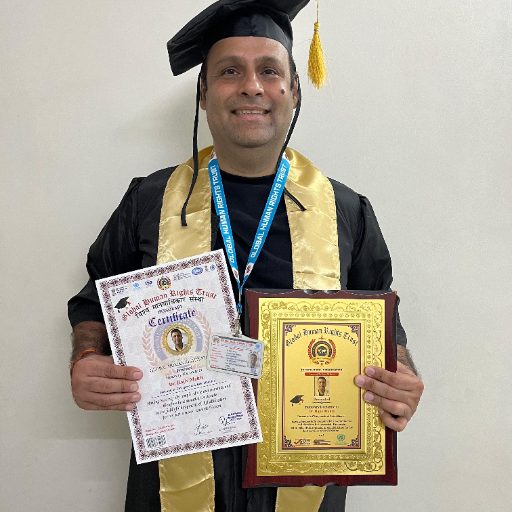
27+ yrs · Pitampura · Rohini · +14 more
₹700
per session
Dr. Rajiv Mehta is a physiotherapist specialising in Sports, Orthopaedic, Neuro, Geriatric, Post-operative, Chest, Onco physiotherapy, Women's health, Pediatric, General physiotherapy, Chronic pain, with 27+ years of experience. Available for home sessions in Pitampura, Rohini, Shalimar Bagh.
₹700
per session
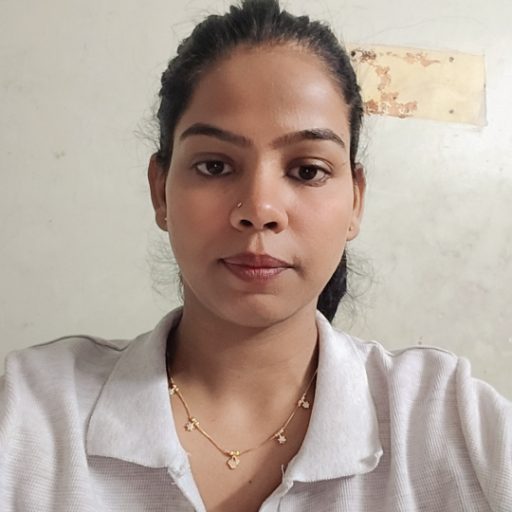
8+ yrs · Janakpuri · Dwarka · +6 more
₹700
per session
Dr. Pooja Yadav is a physiotherapist specialising in Orthopaedic, with 8+ years of experience. Available for home sessions in Janakpuri, Dwarka, Tilak Nagar.
₹1000
per session
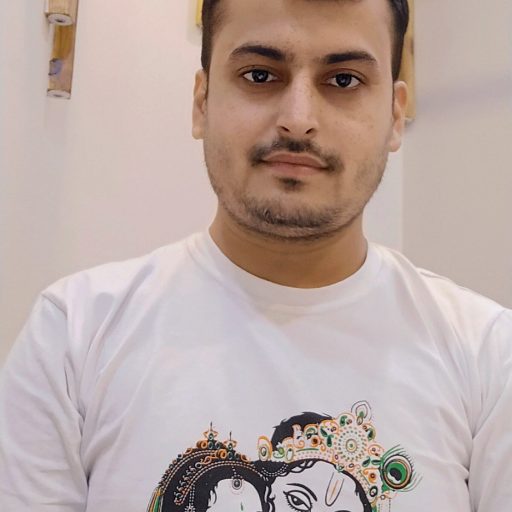
7+ yrs · DLF Phase 1 · DLF Phase 2 · +82 more
₹1000
per session
Dr. Amit Mishra is a physiotherapist specialising in Orthopaedic, Neuro, Sports, Geriatric, Post-operative, Chest, Women's health, Chronic pain, General physiotherapy, Pediatric, with 7+ years of experience. Available for home sessions in DLF Phase 1, DLF Phase 2, DLF Phase 4.
₹1000
per session
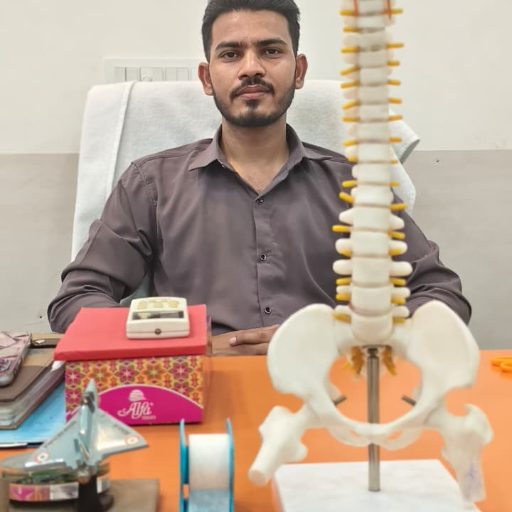
5+ yrs · Moti Bagh · Rajouri Garden · +6 more
₹1000
per session
Dr. Sanjay Singh is a physiotherapist specialising in Neuro, Orthopaedic, Sports, with 5+ years of experience. Available for home sessions in Moti Bagh, Rajouri Garden, Punjabi Bagh.
₹1000
per session

5+ yrs · Janakpuri · Punjabi Bagh · +7 more
₹1000
per session
Dr. Ankit Rathor is a physiotherapist specialising in Orthopaedic, General physiotherapy, with 5+ years of experience. Available for home sessions in Janakpuri, Punjabi Bagh, Rajouri Garden.
₹600
per session
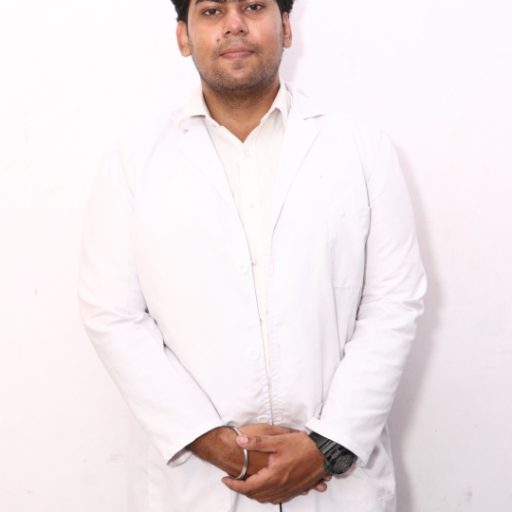
4+ yrs · Chittaranjan Park · Vasant Vihar · +18 more
₹600
per session
Dr. Karan Kapur is a physiotherapist specialising in Orthopaedic, Sports, Post-operative, Chronic pain, General physiotherapy, with 4+ years of experience. Available for home sessions in Chittaranjan Park, Vasant Vihar, Safdarjung Enclave.
₹1000
per session

4+ yrs · Hauz Khas · Green Park · +21 more
₹1000
per session
Dr. Abhinav Pratap Singh is a physiotherapist specialising in Orthopaedic, Sports, Post-operative, General physiotherapy, Chronic pain, Geriatric, with 4+ years of experience. Available for home sessions in Hauz Khas, Green Park, Safdarjung Enclave.
₹800
per session
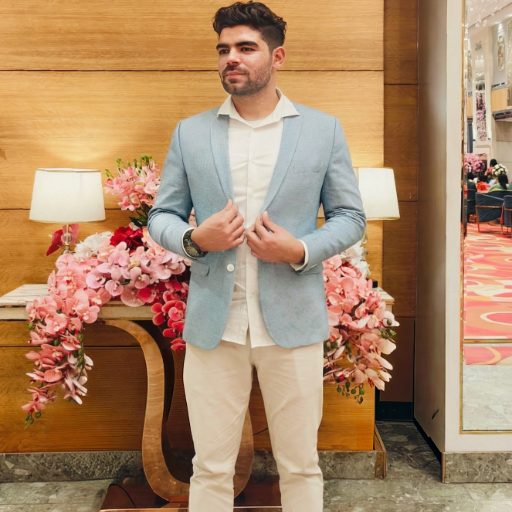
4+ yrs · Rohini · Pitampura · +39 more
₹800
per session
Dr. Yashank Sharma is a physiotherapist specialising in Orthopaedic, Neuro, Sports, Geriatric, Post-operative, Chest, Onco physiotherapy, Women's health, Pediatric, Chronic pain, General physiotherapy, with 4+ years of experience. Available for home sessions in Rohini, Pitampura, Shalimar Bagh.
₹600
per session

3+ yrs · Green Park · Hauz Khas · +39 more
₹600
per session
Dr. Jagrit Kumar is a physiotherapist specialising in Sports, Post-operative, General physiotherapy, Chronic pain, Orthopaedic, Chest, with 3+ years of experience. Available for home sessions in Green Park, Hauz Khas, Safdarjung Enclave.
₹900
per session

3+ yrs · Janakpuri · Dwarka · +6 more
₹900
per session
Dr. Prem Prakash is a physiotherapist specialising in Neuro, Orthopaedic, Geriatric, Post-operative, Chest, Pediatric, Chronic pain, General physiotherapy, with 3+ years of experience. Available for home sessions in Janakpuri, Dwarka, Vikaspuri.
₹1000
per session
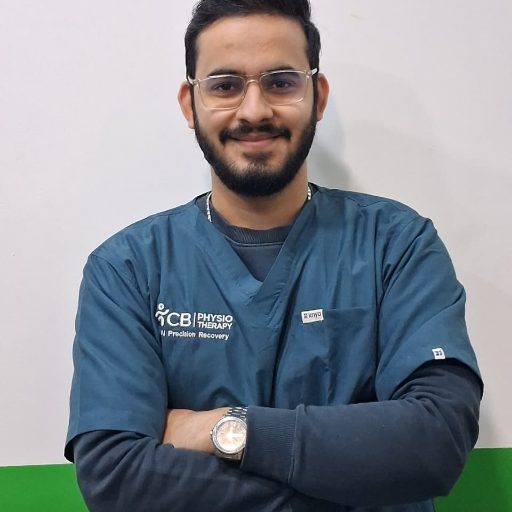
2+ yrs · Janakpuri · Punjabi Bagh · +16 more
₹1000
per session
Dr. Saksham Kataria is a physiotherapist specialising in Orthopaedic, Neuro, Sports, Geriatric, Post-operative, Chronic pain, General physiotherapy, Onco physiotherapy, Pediatric, with 2+ years of experience. Available for home sessions in Janakpuri, Punjabi Bagh, Rajouri Garden.
₹1200
per session
2+ yrs · Rohini · Pitampura · +63 more
₹1200
per session
Dr. Pearl Thakur is a physiotherapist specialising in Sports, General physiotherapy, Post-operative, Orthopaedic, with 0+ years of experience. Available for home sessions in Rohini, Pitampura, Rajouri Garden.
Showing 12 of 27
Why Club Road and East Punjabi Bagh households book home physio
Requests here often follow knee or hip replacement when staircases in older Club Road bungalows make a clinic commute exhausting. Spine and neck strain show up after long desk days for professionals who live near the Ring Road and still commute into central Delhi. Older residents in West Punjabi Bagh flats may need balance work, gait retraining, or strength rebuilding after a hospital stay, especially when family cars are stuck in Outer Ring evening traffic. Sports and gym injuries from neighbourhood parks and club facilities are common among younger adults who prefer evening slots at home. Post-fracture and post-stroke follow-up also appears when caregivers cannot spare half a day for round trips through Raja Garden junctions. Whatever the presentation, the physiotherapist should take a fresh history rather than assume your case matches a neighbour’s.
Who West Punjabi Bagh home visits tend to suit
Home sessions help most when travel itself is the barrier: someone recovering after surgery who cannot manage the climb from a Punjabi Bagh East basement parking bay, an older parent who tires before reaching a clinic waiting room, or a patient with dizziness for whom Ring Road auto rides feel unsafe. Multi-generational bungalows along Club Road often prefer treatment in the drawing room so a spouse or adult child can watch transfers and learn safer techniques. Flat dwellers in West Punjabi Bagh benefit when lifts are unreliable or when rest after a session matters more than clinic machines. People with a surgeon’s protocol who need supervised progression at home also fit well. If you need specialised equipment only a facility provides, ask whether a hybrid plan—home early, clinic later—makes more sense.
From shortlist to confirmed visit on your lane
After you pick a profile, choose a slot and share the address detail that matters locally—East or West Punjabi Bagh, a landmark near Club Road or the Ring Road flyover, floor, and whether the building has a working lift. You should see the session fee and visit terms before you pay or confirm. Confirmation usually arrives as a message with the physiotherapist’s name and timing. If Outer Ring traffic delays arrival, use the support channel on your booking rather than waiting silently at the gate. Payment follows the checkout flow shown for that physiotherapist. Support can help if the slot falls through, if you need to move the visit toward a Paschim Vihar–border address, or if surgeon documents must reach the therapist before day one.
When family should sit in on a Punjabi Bagh session
For dependent or post-operative patients, one consistent caregiver is more useful than a rotating audience. That person learns safer bed-to-chair transfers on marble bungalow floors, how to clear a corridor for walking practice, and which pain or swelling signs mean the home programme should pause. In East Punjabi Bagh walk-ups, someone who understands stair pacing can prevent overdoing terrace or market trips the same afternoon. Caregivers should also note medication timing and surgeon restrictions so exercises do not conflict with medical advice. If privacy matters, agree which parts of the session need a second person present. The goal is safer daily help between visits, not turning every relative into an amateur therapist.
Honest trade-offs of treatment inside a Punjabi Bagh home
Treating at home removes Ring Road travel, lets the physiotherapist see real stairs, bathroom thresholds, and furniture heights, and lets caregivers practise in the same space the patient uses all week—a real advantage after joint replacement or when balance is fragile. Limits are equally real: a bungalow drawing room will not match every clinic modality, space for advanced gait drills may be tight in older West Punjabi Bagh flats, and noisy evenings near the Ring Road can interrupt focus. Some progressions eventually need gym equipment or a quieter assessment table. Home care also depends on punctual society-gate access. Choose home when environment and travel matter most; consider a clinic or hybrid plan when specialised equipment becomes the priority. Neither setting replaces your doctor’s advice.
Do not wait for a physio slot with these warning signs
Home physiotherapy is for planned rehabilitation, not emergencies. Seek urgent medical care for sudden severe back or neck pain with new weakness, numbness in both legs, or loss of bladder or bowel control; chest pain, breathlessness, or fainting; a hot, swollen calf after surgery or immobility; a fall with possible fracture; unexplained high fever with joint swelling; or rapidly worsening neurological symptoms after a stroke history. Go to the nearest emergency department or call emergency services rather than hoping an evening Punjabi Bagh home visit will sort it out. Tell any physiotherapist about red-flag symptoms since your last medical review—they should pause and redirect you. This guide does not diagnose you and does not replace individual medical assessment when something feels suddenly wrong.
What usually shapes the fee for a visit here
Session length, visit frequency in the first weeks, and travel time across West Delhi all influence what you are quoted—without any single figure applying to every Club Road bungalow or East Punjabi Bagh flat. Complex post-surgical programmes may need longer assessments than a soft-tissue follow-up. Evening slots that fight Outer Ring congestion, higher floors without a reliable lift, or addresses on the Paschim Vihar or Rajouri Garden edge can change travel effort. Frequency matters too: daily early rehab costs more in aggregate than twice-weekly maintenance even when each visit looks similar. Always read the fee shown before you confirm. If two profiles differ, compare duration, inclusions, and cancellation terms rather than assuming the lower quote covers the same work.
Frequently asked questions
+−Is home physiotherapy suitable after surgery?
Often yes, once your surgeon or treating doctor clears you for home-based rehab. Many Punjabi Bagh patients start at home because stairs and Ring Road travel are hard early on. Bring discharge notes and movement restrictions to the first visit so the plan matches your procedure.
+−Will I see the fee before booking?
Yes. Superphysio shows the session fee and visit terms in the booking flow before you confirm or pay. If duration, inclusions, or cancellation rules look unclear, resolve them before you lock the slot.
+−What if nothing is available at my preferred time?
Widen the time window, try another day, or adjust the locality filter if your address sits near Paschim Vihar, Rajouri Garden, or Tilak Nagar. You can also shortlist another verified profile. Empty results for one evening do not mean the area is uncovered.
+−Does this page replace a medical assessment?
No. This page does not replace individual medical assessment, diagnosis, or imaging decisions. It helps you find and compare physiotherapists who serve Punjabi Bagh. Urgent or unclear symptoms still need a doctor or emergency care first.
+−How long and how frequent are sessions?
Length and frequency depend on your condition, recovery stage, and the physiotherapist’s plan—not on a fixed Punjabi Bagh timetable. Early post-operative care may need more frequent visits; later stages often space out with a home programme between them.
+−How are physiotherapists verified?
Superphysio lists physiotherapists with verified profile information such as qualifications and experience so you can compare before booking. Verification supports safer choice; it is not a promise of a particular clinical outcome.
+−What if I need to reschedule or cancel?
Use the reschedule or cancel options in your booking, or contact support if the visit is imminent. Notice policies can differ by physiotherapist, so check the terms shown when you booked—especially when Outer Ring traffic makes same-day changes harder.
Sources
Educational information only — not personal medical advice. Recovery plans vary; follow your treating doctor or surgeon when their instructions differ.