Cuffe Parade · Mumbai
Book a Verified Physiotherapist at Home in Cuffe Parade
Cuffe Parade is reclaimed Backbay land laid out as planned high-rise blocks — Maker Towers, the World Trade Centre skyline and seafront societies — not the older low-rise walk-ups that still define much of neighbouring Colaba. Most residents here move by lift: visitor desks, basement parking and society timings shape a home visit more than stair climbs do. This page shows Super Physio physiotherapists who list Cuffe Parade for home visits so you can open profiles, check qualifications and experience, and read session details before requesting a slot. Exact tower, wing and preferred hours still decide who can reach you on a given day. Keep the locality filter on Cuffe Parade while you adjust timing; switch only if your pin is catalogued under an adjacent south Mumbai name. This page does not replace individual medical assessment.
Verified profiles
Qualifications and experience are checked before physiotherapists go live.
Home visits
Sessions happen at your address — no clinic commute for every follow-up.
Transparent fees
See the session fee on each profile before you book.
Editable filters
Locality stays selected, and you can still change area or timing.
Home-visit physiotherapists serving Cuffe Parade
Filters below stay editable. Availability depends on your exact address and preferred time.
23 physios available for home visits in Cuffe Parade
Also available nearby
₹6000
per session
15+ yrs · Bandra West · Khar · +14 more
₹6000
per session
Dr. Adnan Badr is a physiotherapist specialising in Orthopaedic, Sports, Geriatric, Post-operative, Chronic pain, General physiotherapy, Women's health, Neuro, with 15+ years of experience. Available for home sessions in Bandra West, Khar, Santacruz.
₹1500
per session
5+ yrs · Colaba · Cuffe Parade · +30 more
₹1500
per session
Dr. Sami Ullah is a physiotherapist specialising in Orthopaedic, Neuro, Sports, Post-operative, General physiotherapy, Pediatric, with 5+ years of experience. Available for home sessions in Colaba, Cuffe Parade, Nariman Point.
₹1500
per session

5+ yrs · Colaba · Cuffe Parade · +17 more
₹1500
per session
Dr. Ruttuja (Neuro MPT) is a physiotherapist specialising in Neuro, Geriatric, Post-operative, Women's health, Pediatric, with 5+ years of experience. Available for home sessions in South Mumbai
₹1500
per session
3+ yrs · Colaba · Cuffe Parade · +18 more
₹1500
per session
Dr. Mahima Chaudhari is a physiotherapist specialising in Orthopaedic, Sports, Post-operative, Women's health, Geriatric, Chronic pain, with 3+ years of experience. Available for home sessions in Colaba, Cuffe Parade, Nariman Point.
₹2000
per session

3+ yrs · Borivali · Jogeshwari · +15 more
₹2000
per session
My clinical experience extends across Neuro, Sports, Musculoskeletal, Post-operative Rehabilitation and Critical Care, I combine clinical knowledge with hands-on skills to provide safe, personalised care. I purely practice evidence-based rehabilitation; no gimmicks, no shortcuts and only providing bespoke physiotherapeutic rehabilitation exclusively to HNI clientele. My approach is firmly grounded in the fundamental concepts and principles of physiotherapy solely.
₹1500
per session
2+ yrs · Colaba · Nariman Point · +13 more
₹1500
per session
Dr. Neha Dhanokar is a physiotherapist specialising in Orthopaedic, Neuro, Geriatric, Post-operative, Women's health, General physiotherapy, with 2+ years of experience. Available for home sessions in Colaba, Nariman Point, Churchgate.
₹800
per session
2+ yrs · Colaba · Cuffe Parade · +19 more
₹800
per session
Dr. Madiha Ansari is a physiotherapist specialising in Neuro, Orthopaedic, Geriatric, Post-operative, Pediatric, General physiotherapy, Chronic pain, with 2+ years of experience. Available for home sessions in Colaba, Cuffe Parade, Nariman Point.
₹1000
per session
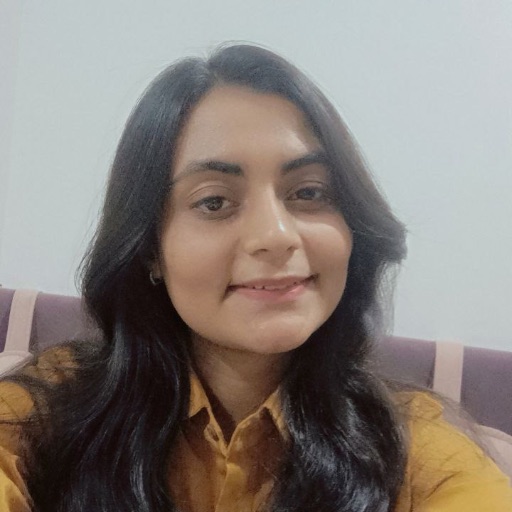
2+ yrs · Ghatkopar · Ghatkopar East · +20 more
₹1000
per session
Dr. Riddhi Chheda is a physiotherapist specialising in Orthopaedic, Neuro, Sports, Geriatric, Post-operative, Women's health, Chronic pain, General physiotherapy, Pediatric, with 2+ years of experience. Available for home sessions and online consultations
₹1600
per session
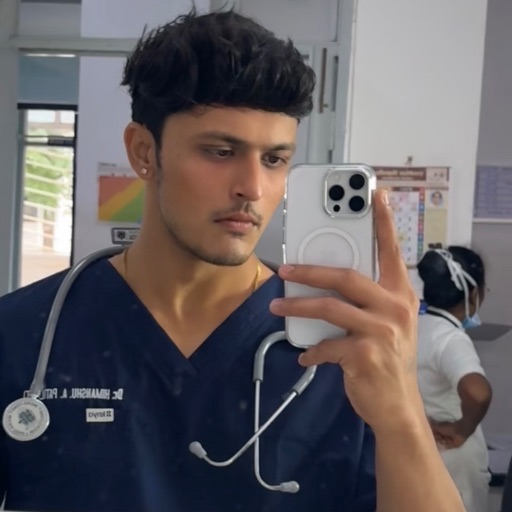
1+ yrs · Marine Lines · Colaba · +15 more
₹1600
per session
Dr. Himanshu PATIL (PT) is a physiotherapist specialising in Orthopaedic, Neuro, Sports, Post-operative, Geriatric, Chronic pain, General physiotherapy, with 1+ years of experience. Available for home sessions in Marine Lines, Colaba, Cuffe Parade.
₹1000
per session
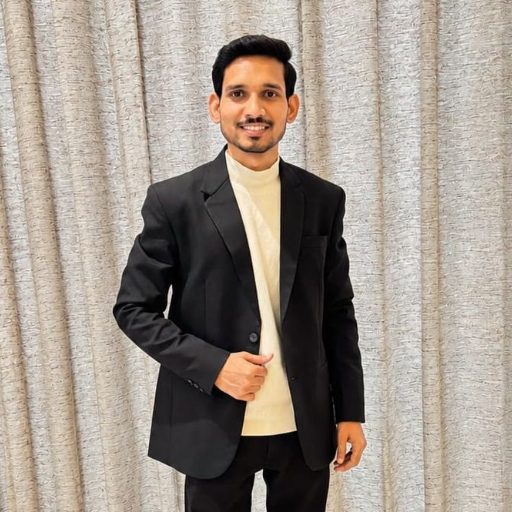
1+ yrs · Colaba · Churchgate · +19 more
₹1000
per session
Dr. Ashish Manurkar is a physiotherapist specialising in Orthopaedic, Neuro, Post-operative, Chest, General physiotherapy, Chronic pain, Pediatric, Geriatric, Sports, with 1+ years of experience. Available for home sessions in Colaba, Churchgate, Nariman Point.
₹1500
per session
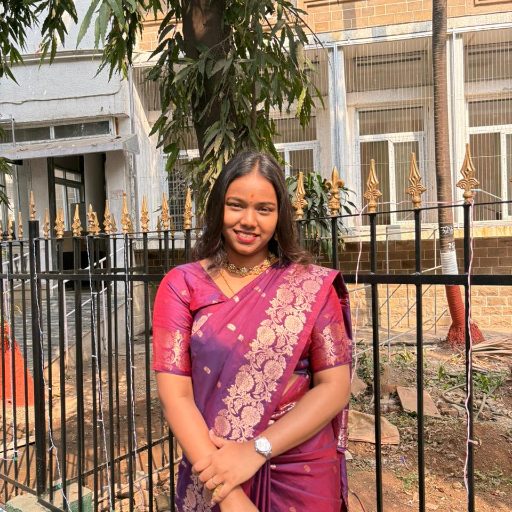
1+ yrs · Kurla · Ghatkopar · +21 more
₹1500
per session
Dr. Prachi More is a physiotherapist specialising in General physiotherapy, Orthopaedic, Neuro, Sports, Chronic pain, with 1+ years of experience. Available for home sessions in Kurla, Ghatkopar, Sion.
₹1200
per session
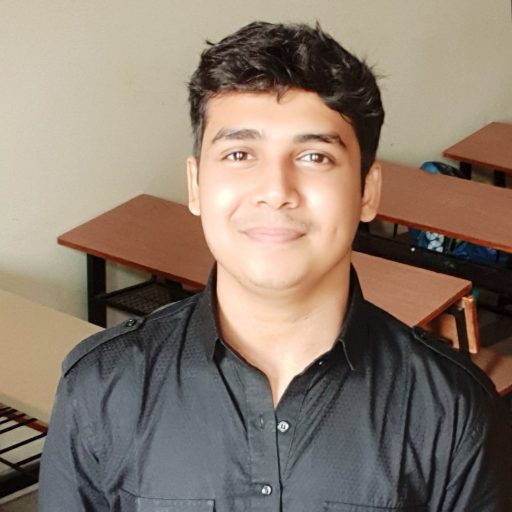
1+ yrs · Colaba · Cuffe Parade · +24 more
₹1200
per session
Dr. Fahad Malik (PT) is a physiotherapist specialising in Orthopaedic, Post-operative, Chronic pain, General physiotherapy, Neuro, Sports, with 1+ years of experience. Available for home sessions in Colaba, Cuffe Parade, Nariman Point.
Showing 12 of 23
What the first session looks like inside a Cuffe Parade tower
After you shortlist someone who serves Cuffe Parade, share the society name, wing and flat, lift or service-lift notes, visitor-desk rules and any discharge summary or surgeon instructions. On arrival the physiotherapist usually starts with how you move in your own rooms: bed to chair, bathroom thresholds, balcony steps if present, and whether a walker or stick clears the corridor. Because most stock here is lift-served, the assessment often focuses on transfers, indoor endurance and safe use of the flat rather than practising several flights of stairs — the opposite problem from Colaba’s heritage walk-ups. Have ready recent imaging or operation notes if you have them, a clear floor space roughly the size of a yoga mat, and a household member who knows building entry. The first visit is for history and a plan matched to your flat; it is not a promise of how quickly you will recover.
Gains and limits of treating in a lift-served Backbay flat
Home care here removes the south Mumbai commute past Nariman Point office traffic and the need to escort someone through society gates twice for a clinic hop. Training happens on the furniture, bathroom and lift lobby you actually use, which matters after joint surgery, a fall scare or when an older resident prefers not to leave the tower. Machhimar Nagar and denser pockets along the reclamation edge can add different access rules — narrower lanes or gate timings — so the therapist still needs your precise pin. Limits remain honest: a flat may lack clinic equipment; a compact living room can constrain exercise choice; and sudden emergencies belong in hospital, not on a scheduled home slot. Availability depends on who already covers this Backbay strip and the window you request — the directory never guarantees a same-day visit.
Warning signs that need hospital care before any tower visit
Home physiotherapy supports planned rehabilitation; it is not emergency care. Seek urgent medical attention rather than holding a routine Cuffe Parade visit if you develop sudden severe pain, new weakness or numbness in a limb, chest pain or breathlessness, a painful swollen calf, fever with a hot or red joint, loss of bladder or bowel control, a surgical wound that is red, hot or discharging, a fall with head injury, sudden speech difficulty or confusion, or any post-surgical warning your surgeon listed. A clinician arriving near Maker Towers or the World Trade Centre cannot replace casualty assessment. If unsure, contact your doctor or go to emergency care — do not intensify exercises while waiting. Once acute issues are ruled out and community physiotherapy is cleared, a home session can resume. Recovery speed varies; nobody can promise a fixed date.
What changes the fee for a Cuffe Parade home session
Charges appear on each physiotherapist’s profile and again in the booking flow before you confirm — this page never quotes a figure because amounts differ by clinician and by what the visit includes. Session length is the usual driver: a longer first assessment in a high-rise flat often costs more than a shorter follow-up. Travel within the Backbay belt also matters — reaching a seafront society, a World Trade Centre–adjacent address or Machhimar Nagar can sit differently on a therapist’s route than a Nariman Point office pin. Frequency is individual: some people need closer early review after discharge; others space visits once a home programme is underway. Read what the profile lists for Cuffe Parade and treat the confirmation screen as the amount you accept.
Frequently asked questions
+−Which pockets does the Cuffe Parade filter usually cover?
It commonly covers the planned Backbay high-rise strip — Maker Towers and neighbouring societies, World Trade Centre–side addresses, and residential blocks along the seafront parade. Machhimar Nagar and Colaba-edge lanes may appear under this filter or a neighbour’s, depending how the therapist catalogues them. Check the map label on each profile and switch locality if your society is listed under Colaba or Nariman Point instead.
+−Can I change or widen the locality filter if my building sits toward Nariman Point?
Yes. Keep Cuffe Parade selected while you browse, then edit the locality chip to Nariman Point, Colaba, Churchgate or another nearby catalogue area if that better matches your pin. Widening the time window can also surface therapists already working the southern CBD. Filters stay editable after the first search; refreshing the page should keep your last choice.
+−Is home physiotherapy suitable after surgery in these towers?
Often yes when your surgeon or treating doctor has cleared community physiotherapy and you can move safely enough for indoor work — many Cuffe Parade recoveries benefit from lift access and practising transfers in the actual flat. Suitability still depends on the operation, wound status and stage of healing. Do not start or progress exercises from this page alone; follow the clearance and restrictions you were given.
+−Does this page replace a medical assessment?
No. This page does not replace individual medical assessment. Use it to browse Cuffe Parade home-visit profiles and understand how tower visits typically run — not to diagnose yourself or set exercise load. Treatment choices should follow hands-on examination by your doctor or physiotherapist and any written instructions you already hold.
+−What equipment is needed at home for a high-rise session?
Usually very little: a clear floor patch, a stable chair without wheels, and whatever walking aid you already use. Some clinicians bring a theraband or small tools; others ask you to keep a firm cushion or towel handy. You do not need a full home gym. Confirm visitor and lift rules so the therapist can bring only what your society allows.
Sources
Educational information only — not personal medical advice. Recovery plans vary; follow your treating doctor or surgeon when their instructions differ.