Ghatkopar · Mumbai
Home physiotherapy across Ghatkopar East and West
Ghatkopar is Mumbai’s eastern interchange suburb — Central Line locals, the eastern terminus of Metro Line 1, LBS Marg on one flank and the Eastern Express Highway on the other. This page lists Super Physio physiotherapists who serve the suburb as a whole, so you can compare qualifications, experience, specialties and the session fee before someone comes upstairs. A listing does not guarantee a slot at your building; that still depends on address and timing. Leave the area filter editable if you live toward Kurla, Chembur, Vikhroli or Powai. This page does not replace individual medical assessment.
Verified profiles
Qualifications and experience are checked before physiotherapists go live.
Home visits
Sessions happen at your address — no clinic commute for every follow-up.
Transparent fees
See the session fee on each profile before you book.
Editable filters
Locality stays selected, and you can still change area or timing.
Home-visit physiotherapists serving Ghatkopar
Filters below stay editable. Availability depends on your exact address and preferred time.
42 physios available for home visits in Ghatkopar
Also available nearby
₹1000
per session

16+ yrs · Prabhadevi · Worli · +28 more
₹1000
per session
Dr. Ramya Dsouza is a physiotherapist specialising in Orthopaedic, Neuro, Sports, Geriatric, Post-operative, Chest, Onco physiotherapy, Women's health, Chronic pain, General physiotherapy, with 16+ years of experience. Available for home sessions in Prabhadevi, Worli, Colaba.
₹2000
per session
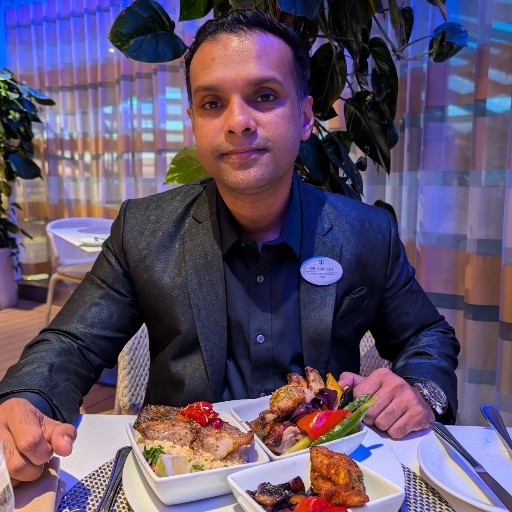
15+ yrs · Bandra West · Bandra East · +15 more
₹2000
per session
Dr. Sanjeev Ambali is a physiotherapist specialising in Orthopaedic, Neuro, Sports, Geriatric, Chronic pain, General physiotherapy, Post-operative, with 15+ years of experience. Available for home sessions in Bandra West, Bandra East, Santacruz.
₹900
per session
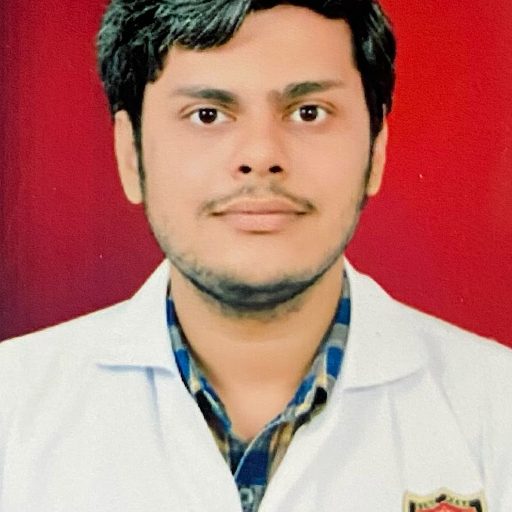
5+ yrs · Powai · Ghatkopar · +8 more
₹900
per session
Dr. Avdhoot Shimpi is a physiotherapist specialising in Orthopaedic, Neuro, Post-operative, Chronic pain, General physiotherapy, Geriatric, with 5+ years of experience. Available for home sessions in Powai, Ghatkopar, Vikhroli.
₹1000
per session
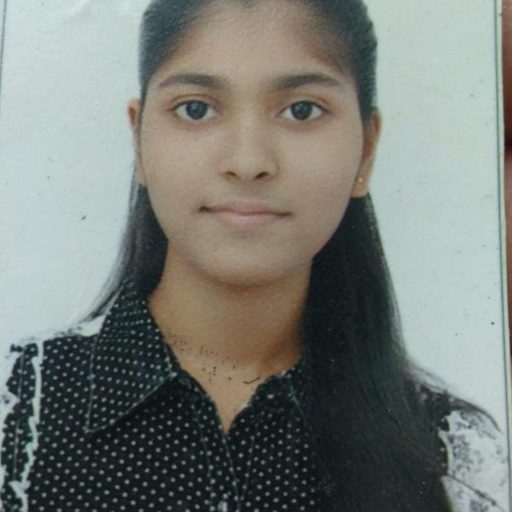
4+ yrs · Vikhroli · Kanjurmarg · +7 more
₹1000
per session
Dr. Chaitali Mali is a physiotherapist specialising in Neuro, Orthopaedic, Geriatric, Post-operative, Women's health, Pediatric, General physiotherapy, Chronic pain, with 4+ years of experience. Available for home sessions in Vikhroli, Kanjurmarg, Ghatkopar.
₹1000
per session
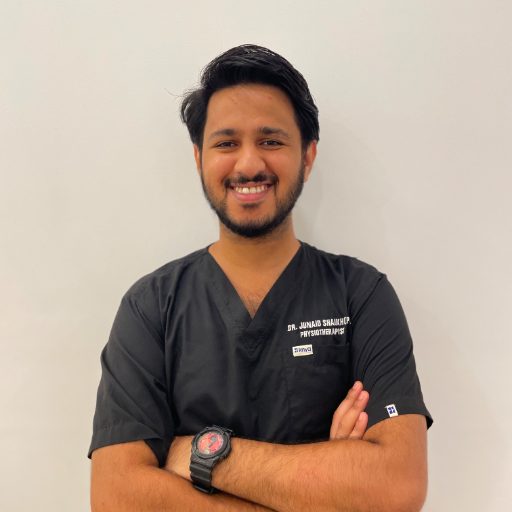
4+ yrs · Chembur · Kurla · +8 more
₹1000
per session
Dr. Junaid Shaikh is a physiotherapist specialising in Orthopaedic, Neuro, Sports, Post-operative, Chronic pain, General physiotherapy, Geriatric, with 4+ years of experience. Available for home sessions in Chembur, Kurla, Ghatkopar.
₹1200
per session
4+ yrs · Chembur · Ghatkopar · +2 more
₹1200
per session
Dr. Swati Shitole is a physiotherapist specialising in Orthopaedic, Geriatric, Post-operative, Women's health, General physiotherapy, Chronic pain, with 4+ years of experience. Available for home sessions in Chembur, Ghatkopar, Ghatkopar East.
₹800
per session
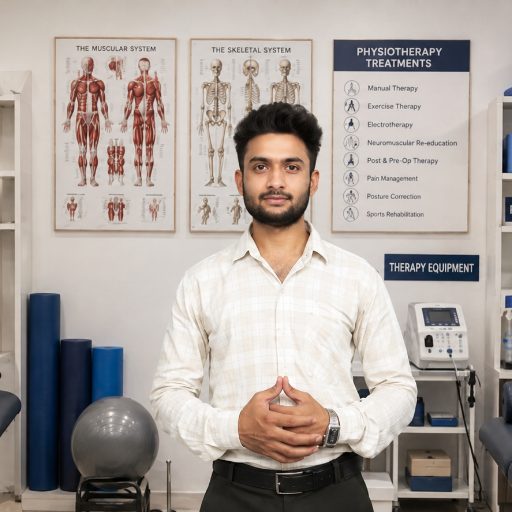
3+ yrs · Lower Parel · Mahalaxmi · +18 more
₹800
per session
Dr. Tarique Anwar is a physiotherapist specialising in Neuro, Post-operative, General physiotherapy, with 3+ years of experience. Available for home sessions in Lower Parel, Mahalaxmi, Worli.
₹800
per session

3+ yrs · Sion · Chembur · +29 more
₹800
per session
Dr. Rani Ojha is a physiotherapist specialising in Orthopaedic, Neuro, Geriatric, Post-operative, Chest, Onco physiotherapy, Chronic pain, General physiotherapy, with 3+ years of experience. Available for home sessions in Sion, Chembur, Ghatkopar.
₹900
per session
3+ yrs · Matunga · Andheri West · +19 more
₹900
per session
Dr. Pooja Parab is a physiotherapist specialising in Orthopaedic, Sports, Women's health, General physiotherapy, Chronic pain, with 3+ years of experience. Available for home sessions in Matunga, Andheri West, Lokhandwala.
₹1500
per session
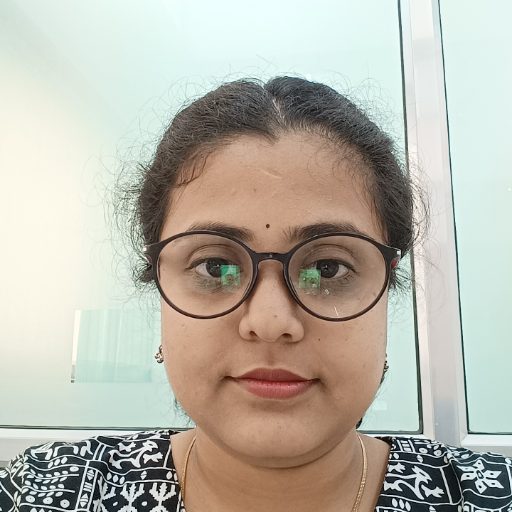
3+ yrs · Worli · Mahalaxmi · +18 more
₹1500
per session
Dr. Pooja Chaurasia is a physiotherapist specialising in Neuro, Orthopaedic, Geriatric, Post-operative, Chest, Women's health, Chronic pain, Pediatric, General physiotherapy, with 3+ years of experience. Available for home sessions in Worli, Mahalaxmi, Prabhadevi.
₹1000
per session
2+ yrs · Wadala · Sion · +5 more
₹1000
per session
Dr. Isha Daga is a physiotherapist specialising in Orthopaedic, General physiotherapy, Neuro, with 2+ years of experience. Available for home sessions in Wadala, Sion, Chembur.
₹1000
per session

2+ yrs · Ghatkopar · Vikhroli · +17 more
₹1000
per session
Dr. Latika Demblani is a physiotherapist specialising in Orthopaedic, Geriatric, Post-operative, General physiotherapy, Neuro, Chronic pain, with 2+ years of experience. Available for home sessions in Kalyan - Ghatkopar, Shahad, Ulhasnagar, Ambernath
Showing 12 of 42
What a home visit looks like off LBS Marg or the Express Highway
On Super Physio, therapists choose the Mumbai localities they cover. With Ghatkopar selected, you only see profiles that list this suburb for home visits. After you confirm a slot, the clinician comes to your flat rather than asking you to reach a clinic through station stairs or highway traffic. The first session is usually history and movement assessment in the rooms you use: bed height, bathroom access, whether there is a lift, how many floors you climb, and how much clear floor you have. Say whether you are East or West of the Central Line, and name a landmark on the LBS Marg or Eastern Express Highway side. Bring any discharge summary or surgical precautions. From that visit they can suggest a plan matched to your stage of recovery — not a generic sheet.
When Central Line platforms and LBS traffic make the clinic the hard part
Households here often move both ways: north–south on the Central Line toward CST or Thane, and east–west on Metro Line 1 toward Andheri, Saki Naka and Asalpha. The railway sits between LBS Marg and the Eastern Express Highway, so a clinic that looks close on a map can still mean a jammed LBS stretch, a highway crawl toward Chembur or Vikhroli, or a walk to the metro-local interchange when you are on a walker. For someone recovering after surgery, managing an elderly parent, or living with flared back pain after desk hours on the Versova corridor, that outbound trip is often harder than the treatment itself. Home-visit physiotherapy removes the patient’s need to enter that crush — so energy goes into assessment and practice instead of platforms and pedestrian bridges.
Who in a Ghatkopar flat usually needs physio upstairs
Families after a fracture or joint replacement often want early rehabilitation without taking a parent through Central Line platforms or the Metro Line 1 concourse. Desk workers whose days already include that Versova–Andheri corridor, plus auto time on LBS Marg or the Eastern Express Highway, commonly look for help with neck or lower-back strain without another clinic hop. Older relatives in the mixed Gujarati and Marathi residential pockets off both arterials may need safer indoor walking, stair practice and bathroom transfers in the rooms they use between sessions. Stroke rehabilitation is often easier to sustain when the clinician can see the real corridor and doorway. None of this is a diagnosis or a recovery timetable. What is appropriate still depends on your doctor’s advice and a hands-on assessment.
Stairs, lifts and bathrooms as the real treatment room
A Ghatkopar home session is shaped by the building as much as by the complaint. Walk-ups off LBS Marg often mean narrow landings and several flights before the door; newer towers nearer the highway may have a packed lift lobby and a long corridor to the bathroom. East and West of the Central Line can feel like different journeys for the therapist, but for the patient the hazards are local: a missing railing, a slippery tile, a bathroom step never designed for a walker, or a bed that sits too high after surgery. Practising sit-to-stand, transfers and indoor walking where you sleep lets the physiotherapist see those barriers directly. Clear a short stretch of floor and mention lift access when you book — you need honest space in the rooms you actually use, not a clinic-style gym.
Who from the household should sit in — and what they practise
A caregiver or family member does not have to stay for every minute, but it often helps — especially after surgery, after a stroke, or when an elderly parent needs safer indoor walking. Someone who knows the flat can show the bathroom step, the staircase that causes the most trouble, or the path from bed to chair, and can learn transfers the patient will need between sessions. What caregivers learn is practical: how to support without pulling, when to rest, and which movements to avoid until the clinician or doctor says otherwise — not a licence to invent exercises. If the patient prefers privacy for part of the assessment, say so when you book. The clinician owns the clinical plan; the family role is continuity, not diagnosis.
Signs that need a hospital desk before any Ghatkopar home slot
Home physiotherapy is for planned rehabilitation, not emergencies. Do not wait for a routine visit if you notice red-flag symptoms: sudden severe pain; new or worsening weakness or numbness; chest pain or breathlessness; a painful swollen calf; fever with a hot red joint; a surgical wound that is red, hot or discharging; loss of bladder or bowel control; difficulty speaking or a sudden change in alertness; or any warning sign your surgeon told you to watch for. Seek urgent medical attention first — a physiotherapist arriving near LBS Marg or the Eastern Express Highway cannot replace casualty assessment. This page does not replace an individual medical assessment. Once acute issues are ruled out and your clinician agrees community physiotherapy is appropriate, a home visit can focus on safe movement in your own rooms.
Between visits: the home programme and when to ask for a review
Most gains between sessions come from short, repeated practice in the same rooms: bed mobility, sit-to-stand, indoor walking, graded stair work if your building requires it, and the exercises set after your physiotherapist saw your space. Write down the dose — how many, how often, and which pain levels mean stop — rather than improvising harder work after a stiff morning. Ask for a review when stairs suddenly worsen, night pain changes character, a brace or walker prescription changes, or you are unsure whether to push further before the next slot. Follow-up frequency is individual; a walk-up off LBS Marg may need more stair coaching than a tower flat with a reliable lift. Adjust the booking on Super Physio if the diary needs to change.
Frequently asked questions
+−If my building sits toward Kurla, Chembur or Powai, can I widen the Ghatkopar filter?
Yes. Ghatkopar is pre-selected so you can start quickly, but the locality filter stays editable. If your society is closer to Kurla along LBS Marg, Chembur across the Eastern Express Highway, Vikhroli or Powai, add or switch that area and the results will refresh. Prefer a therapist who lists the locality that matches your pin.
+−After surgery, can I start physiotherapy at home instead of riding the Central Line?
Often yes, when platforms, the Metro Line 1 concourse or highway traffic make a clinic trip unrealistic — but only once your surgeon or treating doctor agrees you are ready for community physiotherapy. Keep discharge notes and movement precautions for the first visit. Clearance still does not make every exercise safe without an individual assessment.
+−Does reading this Ghatkopar page replace seeing my own doctor?
No. It helps you find and compare home-visit physiotherapists who serve Ghatkopar. Diagnosis, scans, medication changes and clearance after surgery stay with your treating team. This page does not replace individual medical assessment; any physiotherapy plan should follow hands-on assessment and the instructions you already have.
+−How long is a home session in Ghatkopar, and how often will I need one?
Length and frequency are individual. A first assessment may run longer than a follow-up, and some people need closer review early after discharge while others space visits once a home programme is underway. Your physiotherapist should explain what that session includes and when to book again — never treat a neighbour’s diary as yours. Session fees appear on each profile before you book.
+−What does “verified” mean on physiotherapist profiles for Ghatkopar?
A verified profile means Super Physio has checked the credentials shown for that physiotherapist against the platform’s verification process before listing them. Still read qualifications, experience and listed specialties yourself, and confirm Ghatkopar appears in their service areas. Prefer a verified listing over an unknown provider who is merely willing to travel. Verification is a starting filter, not a promise about outcome.
Sources
Educational information only — not personal medical advice. Recovery plans vary; follow your treating doctor or surgeon when their instructions differ.