Marine Lines · Mumbai
Book a Verified Physiotherapist at Home in Marine Lines
Marine Lines sits on South Mumbai’s Western line between Churchgate and Charni Road — a strip where the Marine Drive seafront (Netaji Subhash Chandra Bose Road), older residential blocks, and institutional buildings around Bombay Hospital share the same few lanes. Families here often arrange care after a nearby hospital stay, or for an older relative who cannot face another outing past the station stairs, Oval Maidan event traffic, or the promenade crowds toward Girgaon Chowpatty. This page lists Super Physio physiotherapists who include Marine Lines for home visits so you can open profiles, review qualifications and experience, and read session details before requesting a slot. Exact building, entry notes and preferred hours still decide who can arrive. Keep the locality chip selected while you adjust timing; switch only if your pin is catalogued under Churchgate, Girgaon or Fort. Reading this guide is not the same as being examined by a clinician in person.
Verified profiles
Qualifications and experience are checked before physiotherapists go live.
Home visits
Sessions happen at your address — no clinic commute for every follow-up.
Transparent fees
See the session fee on each profile before you book.
Editable filters
Locality stays selected, and you can still change area or timing.
Home-visit physiotherapists serving Marine Lines
Filters below stay editable. Availability depends on your exact address and preferred time.
25 physios available for home visits in Marine Lines
Also available nearby
₹1200
per session
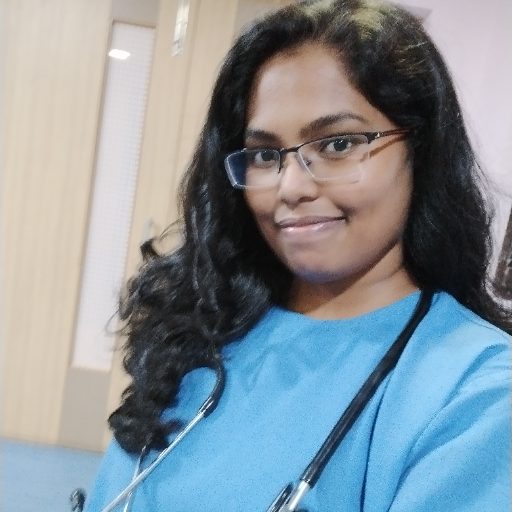
8+ yrs · Bandra West · Bandra East · +24 more
₹1200
per session
Dr. Bhakti Malandkar is a Senior physiotherapist specialising in Orthopaedic, Chest, Onco physiotherapy, Post-operative, Sports, Geriatric, Chronic pain, General physiotherapy, Women's health, with 8+ years of experience. Available for home sessions in Bandra West, Bandra East, Khar.
₹1500
per session
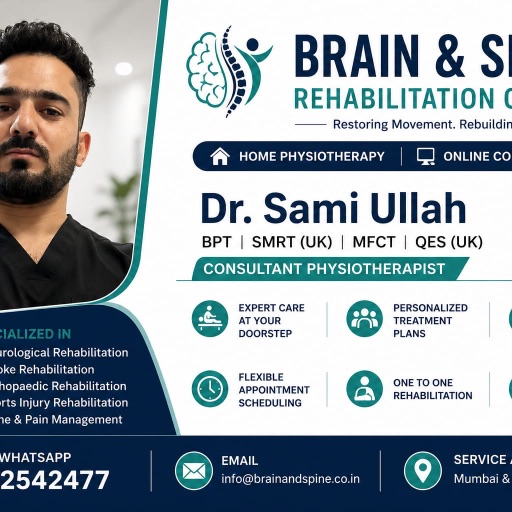
5+ yrs · Colaba · Cuffe Parade · +30 more
₹1500
per session
Dr. Sami Ullah is a physiotherapist specialising in Orthopaedic, Neuro, Sports, Post-operative, General physiotherapy, Pediatric, with 5+ years of experience. Available for home sessions in Colaba, Cuffe Parade, Nariman Point.
₹1500
per session

5+ yrs · Colaba · Cuffe Parade · +17 more
₹1500
per session
Dr. Ruttuja (Neuro MPT) is a physiotherapist specialising in Neuro, Geriatric, Post-operative, Women's health, Pediatric, with 5+ years of experience. Available for home sessions in South Mumbai
₹1500
per session

3+ yrs · Colaba · Cuffe Parade · +18 more
₹1500
per session
Dr. Mahima Chaudhari is a physiotherapist specialising in Orthopaedic, Sports, Post-operative, Women's health, Geriatric, Chronic pain, with 3+ years of experience. Available for home sessions in Colaba, Cuffe Parade, Nariman Point.
₹1500
per session
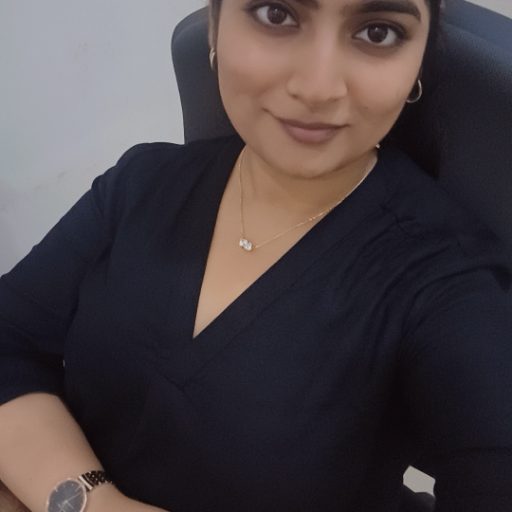
2+ yrs · Colaba · Nariman Point · +13 more
₹1500
per session
Dr. Neha Dhanokar is a physiotherapist specialising in Orthopaedic, Neuro, Geriatric, Post-operative, Women's health, General physiotherapy, with 2+ years of experience. Available for home sessions in Colaba, Nariman Point, Churchgate.
₹1000
per session
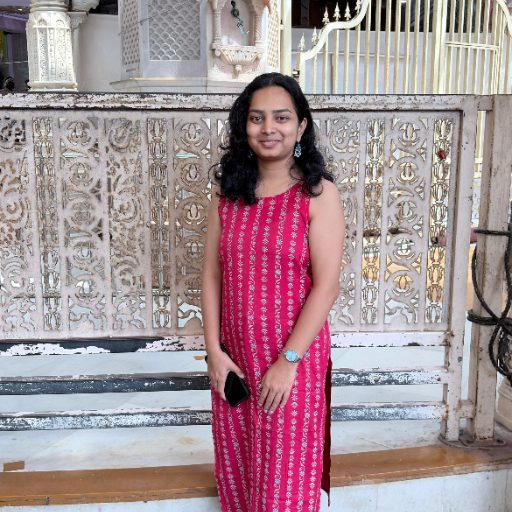
2+ yrs · Wadala · Prabhadevi · +11 more
₹1000
per session
Dr. Bhumika Panchal is a physiotherapist specialising in Neuro, Post-operative, General physiotherapy, with 2+ years of experience. Available for home sessions in Wadala, Prabhadevi, Dadar.
₹800
per session
2+ yrs · Colaba · Cuffe Parade · +19 more
₹800
per session
Dr. Madiha Ansari is a physiotherapist specialising in Neuro, Orthopaedic, Geriatric, Post-operative, Pediatric, General physiotherapy, Chronic pain, with 2+ years of experience. Available for home sessions in Colaba, Cuffe Parade, Nariman Point.
₹1000
per session
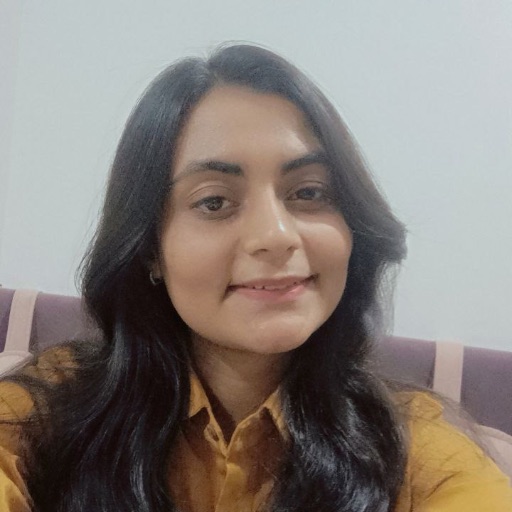
2+ yrs · Ghatkopar · Ghatkopar East · +20 more
₹1000
per session
Dr. Riddhi Chheda is a physiotherapist specialising in Orthopaedic, Neuro, Sports, Geriatric, Post-operative, Women's health, Chronic pain, General physiotherapy, Pediatric, with 2+ years of experience. Available for home sessions and online consultations
₹1500
per session
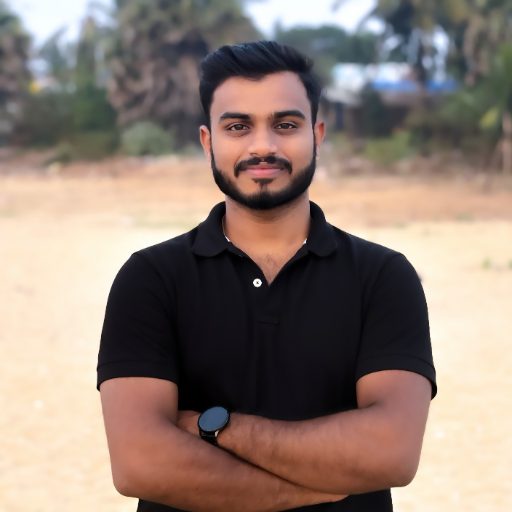
2+ yrs · Colaba · Nariman Point · +12 more
₹1500
per session
Dr. Suraj Nikam is a physiotherapist specialising in Orthopaedic, Sports, Post-operative, with 2+ years of experience. Available for home sessions in Colaba, Nariman Point, Churchgate.
₹1600
per session
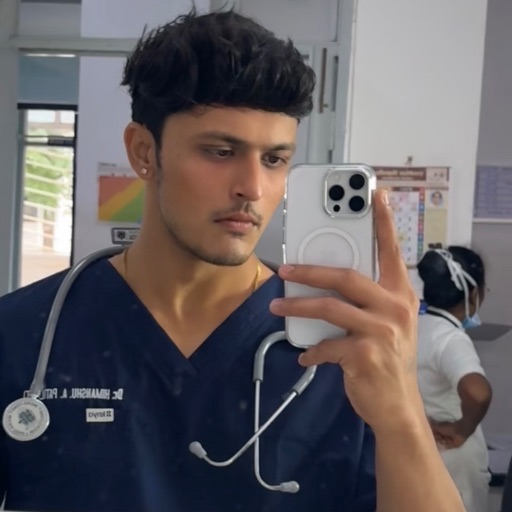
1+ yrs · Marine Lines · Colaba · +15 more
₹1600
per session
Dr. Himanshu PATIL (PT) is a physiotherapist specialising in Orthopaedic, Neuro, Sports, Post-operative, Geriatric, Chronic pain, General physiotherapy, with 1+ years of experience. Available for home sessions in Marine Lines, Colaba, Cuffe Parade.
₹1000
per session
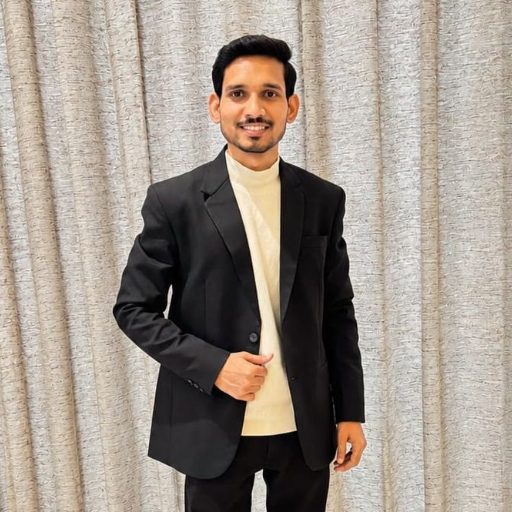
1+ yrs · Colaba · Churchgate · +19 more
₹1000
per session
Dr. Ashish Manurkar is a physiotherapist specialising in Orthopaedic, Neuro, Post-operative, Chest, General physiotherapy, Chronic pain, Pediatric, Geriatric, Sports, with 1+ years of experience. Available for home sessions in Colaba, Churchgate, Nariman Point.
₹900
per session
1+ yrs · Girgaon · Borivali · +10 more
₹900
per session
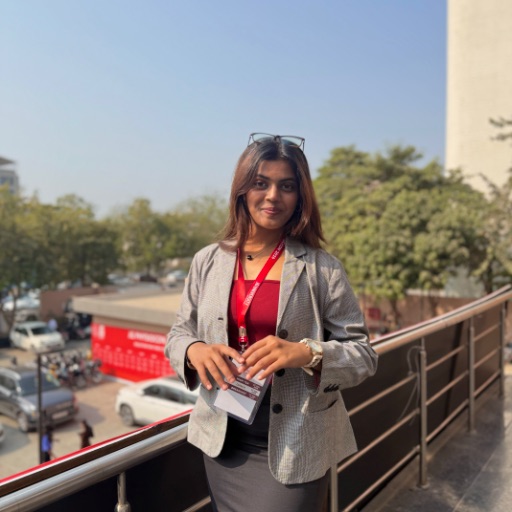
Dr. Aish Londhe is a physiotherapist specialising in Neuro, Orthopaedic, Geriatric, Post-operative, General physiotherapy, Women's health, with 1+ years of experience. Available for home sessions in Girgaon, Borivali, Dahisar.
Showing 12 of 25
Why a clinic hop from Marine Lines can exhaust the day
Movement here is shaped by rails and the Queen’s Necklace, not by a quiet residential loop. Marine Lines station sits between Churchgate and Charni Road; southbound evening fast locals often skip the stop, so someone relying on trains for a mid-city clinic may already be negotiating stairs, platforms and a crowded foot-overbridge before the appointment begins. On the road, Netaji Subhash Chandra Bose Road along Marine Drive carries promenade traffic, while inland approaches toward Princess Street, Kalbadevi and the hospital belt fill with visitors and office spillover. Match days and weekend footfall around Oval Maidan or Chowpatty can lock the last kilometre even when the flat is nearby on a map. Older walk-ups and mid-rise blocks inland of the tracks add another layer: escorting a patient downstairs, across a busy crossing, then into a cab is often harder than the session itself. Home physiotherapy does not clear Marine Drive for the clinician — arrival windows can still slip — but it keeps the patient in familiar rooms instead of repeating that commute twice.
After you book: confirmation, payment and finding the building
Once you choose a profile and complete booking, you should receive a confirmed window, the address you gave, and how payment is completed through Super Physio. Keep that confirmation handy for watchmen and for anyone meeting the therapist near a station-side entrance where GPS can drift between seafront towers and older lanes behind the tracks. Share wing and floor, whether the approach is from Marine Drive, V. Thackersey Marg / New Marine Lines, or a hospital-adjacent pocket, and any visitor-desk rules. Peak hospital and promenade traffic can stretch travel; if a surgeon review or family handover forces a change, use the confirmation path or Super Physio support to reschedule or cancel early rather than waiting until the clinician is already en route. Policies can differ by booking — read what your confirmation states. Support can help when a slot needs sorting; clinical decisions stay between you, your doctor and the treating physiotherapist. Nothing is guaranteed just because Marine Lines appeared in the filter.
What treating at home gains here — and where it still falls short
A home session removes the need to walk someone past station crowds, Marine Drive kerbs and hospital-visitor congestion for a short appointment. Training happens on the furniture, bathroom threshold and corridor the patient actually uses — useful after discharge from a nearby facility, after joint surgery, or when an older resident prefers not to leave a Marine Drive–facing flat or an older inland walk-up. Limits stay honest: compact rooms in older stock may lack clinic-grade equipment; lift cabins and narrow landings can constrain exercise choice; and a scheduled visit is never a substitute for casualty care if something acute appears. Seafront humidity and weekend promenade noise can also make outdoor pacing unrealistic on some days, so indoor goals matter more. Prefer a verified Super Physio profile that lists Marine Lines over an unknown number that only promises a visit. Availability still depends on who already covers this Western-line strip and the window you request.
Warning signs that need hospital care, not a Marine Lines home slot
Home physiotherapy supports planned rehabilitation; it is not emergency care. Seek urgent medical attention rather than holding a routine Marine Lines visit if you develop sudden severe pain, new weakness or numbness in a limb, chest pain or breathlessness, a painful swollen calf, fever with a hot or red joint, loss of bladder or bowel control, a surgical wound that is red, hot or discharging, a fall with head injury, sudden speech difficulty or confusion, or any post-surgical warning your surgeon listed. A clinician arriving near Bombay Hospital, the Oval or the Marine Drive promenade cannot replace casualty assessment — even when a major hospital sits close by. If unsure, contact your doctor or go to emergency care — do not intensify exercises while waiting. Once acute issues are ruled out and community physiotherapy is cleared, a home session can resume. Recovery speed varies; nobody can promise a fixed date.
Frequently asked questions
+−Which pockets does the Marine Lines filter usually cover?
It commonly covers addresses people give as Marine Lines or New Marine Lines — seafront blocks along Marine Drive / Netaji Subhash Chandra Bose Road, older residential lanes toward the station and Princess Street approaches, and buildings near the Bombay Hospital belt. Pockets people describe as Churchgate, Fort, Girgaon or closer to Chowpatty may sit in neighbouring filters even when the walk feels continuous. Check the map label on each profile and switch locality if your society is listed under a different South Mumbai name.
+−What if no therapist is free at the time I want?
Try a wider window, another day, or a neighbouring catalogue area such as Churchgate, Girgaon or Fort if that still matches your pin. Hospital visiting peaks and Marine Drive weekend traffic shrink usable slots on some evenings. If the directory stays empty for your constraints, use Super Physio’s request-help path so the team can follow up — a blank result does not mean the locality is uncovered.
+−Can I treat this page as a medical assessment for my symptoms?
No. Nothing here diagnoses you, clears you for exercise, or overrides instructions from your doctor or surgeon. The copy is locality guidance for arranging a home visit along this Western-line strip. Hands-on examination and your existing medical advice decide what is safe for you.
+−What should I have ready at home for the session?
Usually a clear floor patch roughly the size of a yoga mat, a firm chair without wheels, any walking aid you already use, and recent discharge or surgeon notes if you have them. Older Marine Lines flats rarely need gym machines; the clinician adapts to your rooms. Mention lift size, outdoor steps and visitor rules so portable tools can enter if brought.
+−How long is a visit, and how often will I need one?
First assessments often run longer than follow-ups because history and a home-environment check take time. Frequency depends on your condition, surgical stage and how you tolerate activity — some people need closer early review after a nearby hospital stay; others space sessions once a home programme is underway. Your clinician sets the plan after examining you; this page cannot fix a schedule in advance.
+−Should someone from the family stay for the appointment?
Not always, but it helps on the first visit when transfers, stairs or bathroom safety matter — especially after discharge or for an older relative in a walk-up inland of the tracks. Someone who knows building entry, watchman routines and where walking aids are kept can save time. If the patient lives alone, say so when you book. Caregivers should reinforce what was taught, not invent new exercises between sessions.
Sources
Educational information only — not personal medical advice. Recovery plans vary; follow your treating doctor or surgeon when their instructions differ.