Prabhadevi · Mumbai
Book a Verified Physiotherapist at Home in Prabhadevi
Prabhadevi sits between Dadar to the north, Worli to the south and the Arabian Sea to the west — navigated by the Shree Siddhivinayak temple, Cadell Road (Veer Savarkar Marg) on the western edge, and the Western-line station that many apps and older maps still call Elphinstone Road. The rename matters for booking: society lists and cab pins often mix both names, so a clinician can land at the wrong gate if you write only one. Temple days matter more than ordinary peak hour. Tuesdays and festival dates draw very large crowds that slow or close approach roads, which can make an afternoon slot impractical. This page lists Super Physio physiotherapists who include Prabhadevi for home visits so you can open profiles, weigh qualifications and experience, and match them to your building. Exact address and timing still decide who arrives. This page does not replace individual medical assessment.
Verified profiles
Qualifications and experience are checked before physiotherapists go live.
Home visits
Sessions happen at your address — no clinic commute for every follow-up.
Transparent fees
See the session fee on each profile before you book.
Editable filters
Locality stays selected, and you can still change area or timing.
Home-visit physiotherapists serving Prabhadevi
Filters below stay editable. Availability depends on your exact address and preferred time.
27 physios available for home visits in Prabhadevi
Also available nearby
₹1000
per session
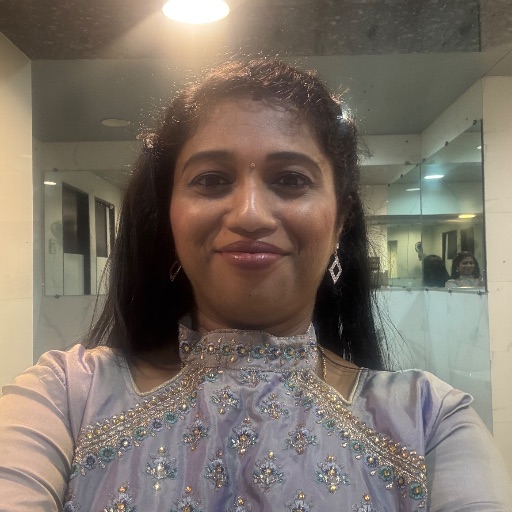
16+ yrs · Prabhadevi · Worli · +28 more
₹1000
per session
Dr. Ramya Dsouza is a physiotherapist specialising in Orthopaedic, Neuro, Sports, Geriatric, Post-operative, Chest, Onco physiotherapy, Women's health, Chronic pain, General physiotherapy, with 16+ years of experience. Available for home sessions in Prabhadevi, Worli, Colaba.
₹6000
per session
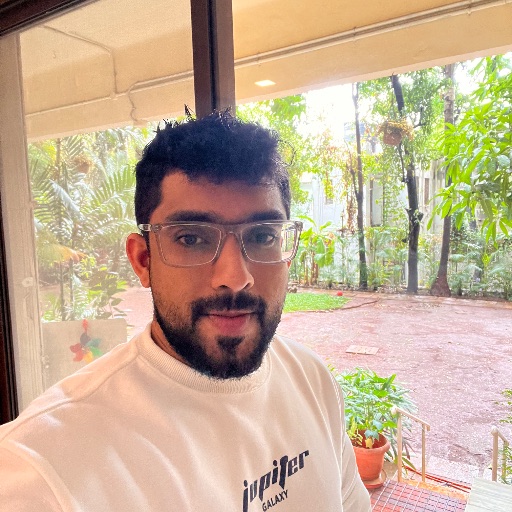
15+ yrs · Bandra West · Khar · +14 more
₹6000
per session
Dr. Adnan Badr is a physiotherapist specialising in Orthopaedic, Sports, Geriatric, Post-operative, Chronic pain, General physiotherapy, Women's health, Neuro, with 15+ years of experience. Available for home sessions in Bandra West, Khar, Santacruz.
₹1200
per session
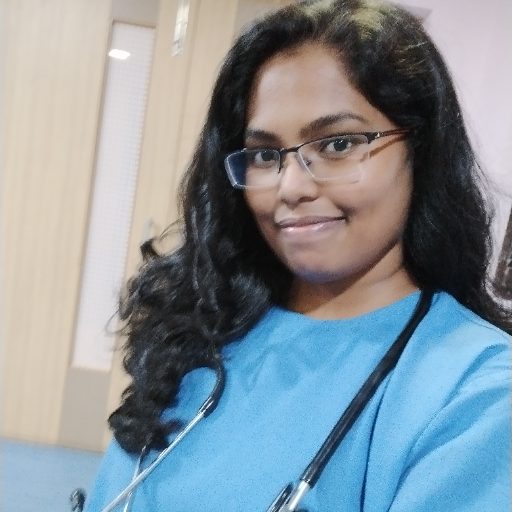
8+ yrs · Bandra West · Bandra East · +24 more
₹1200
per session
Dr. Bhakti Malandkar is a Senior physiotherapist specialising in Orthopaedic, Chest, Onco physiotherapy, Post-operative, Sports, Geriatric, Chronic pain, General physiotherapy, Women's health, with 8+ years of experience. Available for home sessions in Bandra West, Bandra East, Khar.
₹1500
per session
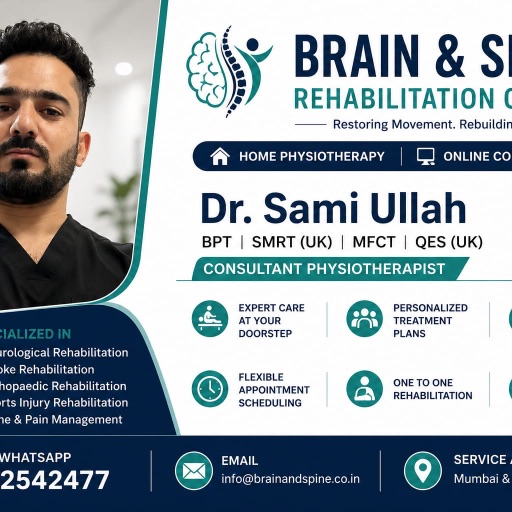
5+ yrs · Colaba · Cuffe Parade · +30 more
₹1500
per session
Dr. Sami Ullah is a physiotherapist specialising in Orthopaedic, Neuro, Sports, Post-operative, General physiotherapy, Pediatric, with 5+ years of experience. Available for home sessions in Colaba, Cuffe Parade, Nariman Point.
₹1500
per session
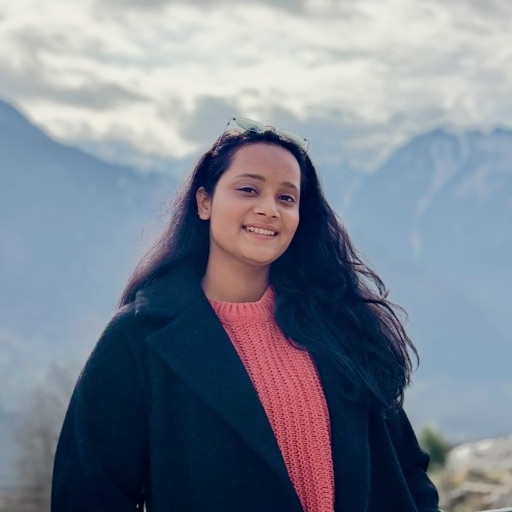
5+ yrs · Colaba · Cuffe Parade · +17 more
₹1500
per session
Dr. Ruttuja (Neuro MPT) is a physiotherapist specialising in Neuro, Geriatric, Post-operative, Women's health, Pediatric, with 5+ years of experience. Available for home sessions in South Mumbai
₹900
per session
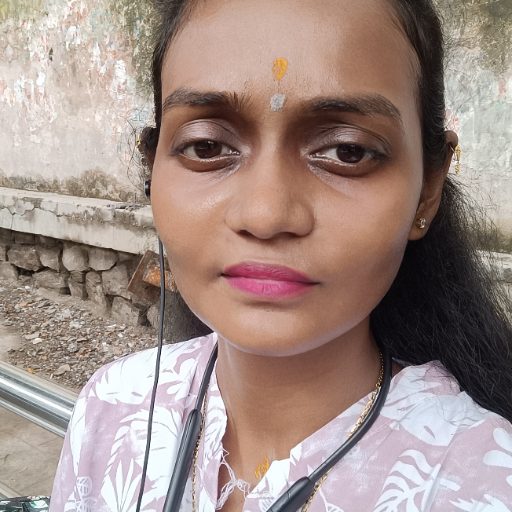
4+ yrs · Byculla · Dadar · +18 more
₹900
per session
Dr. Asavari Rane is a physiotherapist specialising in Orthopaedic, Neuro, Post-operative, Chronic pain, General physiotherapy, with 4+ years of experience. Available for home sessions in Byculla, Dadar, Worli.
₹1500
per session
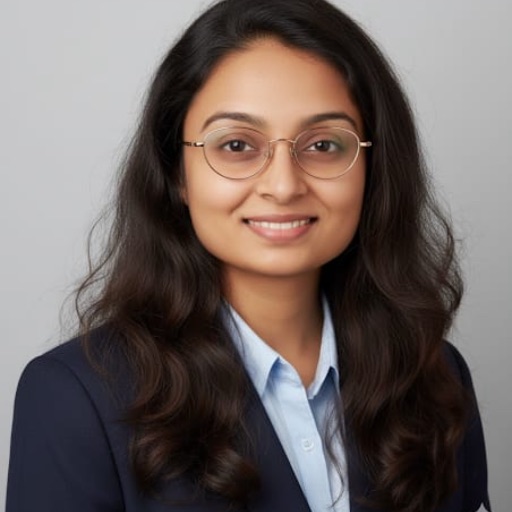
3+ yrs · Colaba · Cuffe Parade · +18 more
₹1500
per session
Dr. Mahima Chaudhari is a physiotherapist specialising in Orthopaedic, Sports, Post-operative, Women's health, Geriatric, Chronic pain, with 3+ years of experience. Available for home sessions in Colaba, Cuffe Parade, Nariman Point.
₹1500
per session
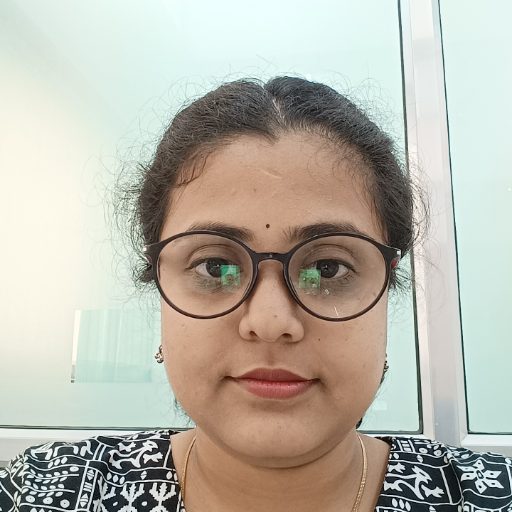
3+ yrs · Worli · Mahalaxmi · +18 more
₹1500
per session
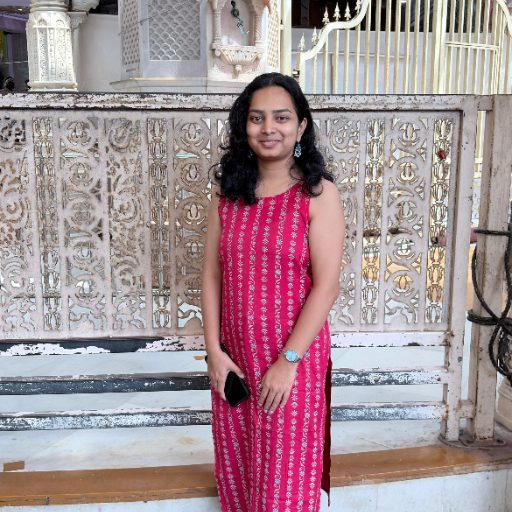
Dr. Pooja Chaurasia is a physiotherapist specialising in Neuro, Orthopaedic, Geriatric, Post-operative, Chest, Women's health, Chronic pain, Pediatric, General physiotherapy, with 3+ years of experience. Available for home sessions in Worli, Mahalaxmi, Prabhadevi.
₹1000
per session
2+ yrs · Wadala · Prabhadevi · +11 more
₹1000
per session
Dr. Bhumika Panchal is a physiotherapist specialising in Neuro, Post-operative, General physiotherapy, with 2+ years of experience. Available for home sessions in Wadala, Prabhadevi, Dadar.
₹800
per session
2+ yrs · Colaba · Cuffe Parade · +19 more
₹800
per session
Dr. Madiha Ansari is a physiotherapist specialising in Neuro, Orthopaedic, Geriatric, Post-operative, Pediatric, General physiotherapy, Chronic pain, with 2+ years of experience. Available for home sessions in Colaba, Cuffe Parade, Nariman Point.
₹1000
per session
2+ yrs · Ghatkopar · Ghatkopar East · +20 more
₹1000
per session
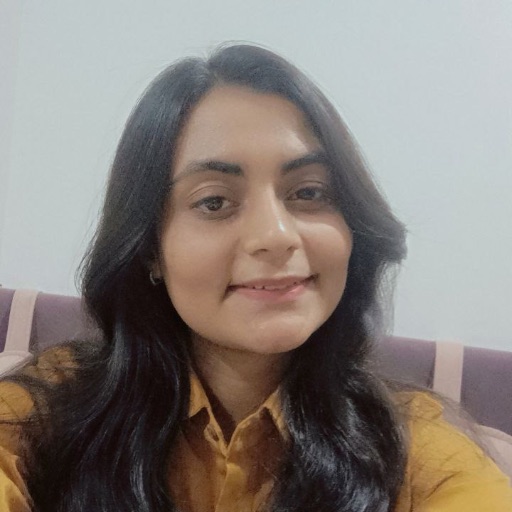
Dr. Riddhi Chheda is a physiotherapist specialising in Orthopaedic, Neuro, Sports, Geriatric, Post-operative, Women's health, Chronic pain, General physiotherapy, Pediatric, with 2+ years of experience. Available for home sessions and online consultations
₹900
per session
2+ yrs · Prabhadevi · Lower Parel · +3 more
₹900
per session
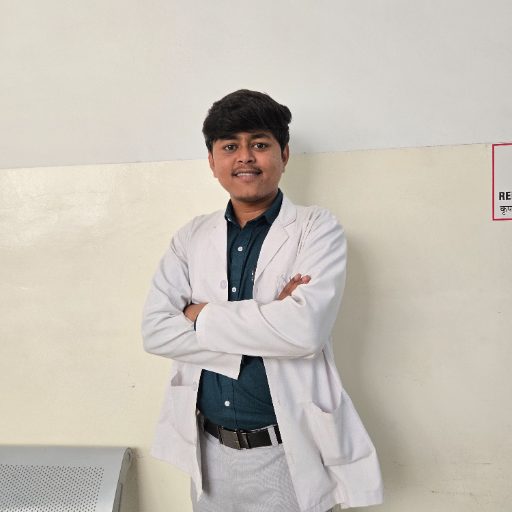
Dr. Manish Ghanate is a physiotherapist specialising in Orthopaedic, with 2+ years of experience. Available for home sessions in Prabhadevi, Lower Parel, Dadar.
Showing 12 of 27
How a home physiotherapy visit actually runs in Prabhadevi
Once you pick a verified Super Physio profile that lists Prabhadevi, you confirm a slot against the address you give — not a vague “near Siddhivinayak” pin or an Elphinstone Road landmark alone. Expect confirmation with timing and how payment is completed through the platform. Put both names in the notes when they still appear on building papers: Prabhadevi for the locality filter, Elphinstone Road only as a secondary cue if society or courier history still uses it. Tell the clinician the last-mile early: which side of Cadell Road / Veer Savarkar Marg, whether the approach is Sayani Road, the station side, or a tower lobby west of the tracks, and whether a watchman needs the visitor’s name. Ordinary weekdays still clog Western-line approaches and Cadell Road at office hours; on Tuesdays and major festival dates, temple crowds and temporary closures can stretch or block arrival windows entirely. Prefer a mid-morning or quieter weekday slot when the need is not urgent and you live on a temple-approach lane. Availability still depends on the therapist’s diary and that exact building; empty results mean no matching slot under your filters, not that care is impossible.
What the first Prabhadevi home session usually covers
The opening visit is an assessment in your actual rooms. Expect questions about medical history, recent discharge notes, pain behaviour, medicines you already take, and what your doctor or surgeon has restricted. The physiotherapist will watch how you stand, transfer, walk indoors and use stairs or a lift — then check bed height, bathroom threshold, corridor width, and whether a walker can turn. Housing mixes older low-rise walk-ups with newer towers; the plan should reflect your floor, not a neighbour’s layout two lanes away. Have ready any discharge summary, imaging you already own, a medicine list, and the walking aid you normally use. Clear a modest floor space if you can. Name a landmark that matches how autos and maps still speak — Siddhivinayak approach, Cadell Road / Veer Savarkar Marg, Prabhadevi station (formerly Elphinstone Road), or Sayani Road — so arrival matches your pin. Practise between visits should follow this assessment and medical advice, not a generic sheet for every Prabhadevi address.
After you book: scheduling, confirmation, payment and support
After you choose a profile, you should receive a confirmed slot with the address you gave and how payment is completed through Super Physio. Keep that confirmation handy for security or someone at a low-rise entrance — floor, wing and gate notes matter when there is no lobby desk. If papers still say Elphinstone Road while the filter says Prabhadevi, put both on the note so the clinician and watchman read the same place. Check the calendar before locking a Tuesday or festival-week afternoon on a temple approach: large crowds and temporary closures are a real access constraint here, not a minor delay. When a hospital review or family handover forces a change, use the confirmation path or Super Physio support early rather than waiting until the therapist is already travelling a closed lane. Policies can differ by booking — read your confirmation. Support helps when a slot needs sorting; clinical decisions stay with you, your doctor and the treating physiotherapist.
Using your Prabhadevi home as the treatment space
Home physiotherapy only works if the room can support safe practice. In an older low-rise along Cadell Road or inland toward the station, that often means counting stair flights, whether a walker fits the landing, and whether bathroom practice needs a second person at the threshold. In a newer tower on the western edge, lift timings, visitor rules and a clear living-room strip usually matter more than buying machines. Shared corridors, narrow passages and wet bathroom floors shape what can be rehearsed on day one. Tell the clinician what space you can actually clear — shifting a chair may be enough; promising a gym strip you do not have is not. If temple-day noise outside makes concentration hard, say so when you book so the session can sit in a quieter window. Equipment needs are usually modest: a firm chair, indoor footwear, and any aid you already own.
Red flags that need urgent care, not a routine Prabhadevi slot
Home physiotherapy supports planned rehabilitation; it is not emergency care. Seek urgent medical attention rather than holding a routine Prabhadevi visit if you develop sudden severe pain, new weakness or numbness in a limb, chest pain or breathlessness, a painful swollen calf, fever with a hot or red joint, loss of bladder or bowel control, a surgical wound that is red, hot or discharging, a fall with head injury, sudden speech difficulty or confusion, or any post-surgical warning your surgeon listed. A clinician delayed on a Siddhivinayak approach or walking in from Prabhadevi station cannot replace casualty assessment. If unsure, contact your doctor or go to emergency care — do not intensify exercises while waiting. Once acute issues are ruled out and community physiotherapy is cleared, a home session can resume. Recovery speed varies; nobody can promise a fixed date.
Keeping progress going between Prabhadevi visits
Most gains happen between appointments. Agree a short home programme that fits your space — seated strength and balance work, short indoor walking loops when safe, or stair practice only when cleared for your building. Reschedule early if a Tuesday temple rush, festival closure or Cadell Road jam would waste a slot; continuity beats forcing a crowded afternoon. Set review points after a block of visits, when a surgeon allows a new activity, or if swelling, night pain or dizziness change. Keep a simple log of exercises and flare-ups. Do not add aggressive routines from social media; they ignore your layout and medical limits. If progress stalls, ask for a reassessment instead of booking more of the same. Follow-up frequency is individual — not a neighbourhood average.
Where Prabhadevi’s coverage edge sits next to Dadar, Worli and Lower Parel
Use this page when Siddhivinayak, Cadell Road / Veer Savarkar Marg, Sayani Road or Prabhadevi station (the former Elphinstone Road stop) is how you give directions. If your pin sits clearly north into Dadar, a Dadar listing may match better even when people still say “near Prabhadevi” for the temple. South toward Worli beyond Babasaheb Worlikar Chowk, switch the filter rather than stretching a Prabhadevi label. Inland and south-east, confirm Lower Parel on the profile when that is the building’s real service area. Mahalaxmi matters further south past the racecourse belt; Mahim when you are clearly past Dadar. Neighbouring names do not automatically share the same home-visit list. Keep filters editable and honest to your gate.
Frequently asked questions
+−Can I change or widen the Prabhadevi locality filter?
Yes. Prabhadevi stays selected so you see therapists who serve this area, but you can edit or widen the locality filter if your pin sits closer to Dadar, Worli, Lower Parel, Mahalaxmi or Mahim. Keep the filter honest to your building — neighbouring labels do not automatically share the same home-visit list. If older papers still say Elphinstone Road, use Prabhadevi as the Super Physio locality and add the old name only as a landmark note. Refreshing the page should preserve the filters you set.
+−Does this Prabhadevi page replace a medical assessment?
No. It is a local booking guide for home-visit physiotherapy around Siddhivinayak, Cadell Road and the Western-line station. Diagnosis, imaging decisions and medication changes stay with your doctor or surgeon. Any exercise plan should follow a hands-on assessment plus the medical instructions you already have. This page does not replace individual medical assessment.
+−How long and how frequent are Prabhadevi physiotherapy sessions?
Length and frequency depend on your condition, how you respond, and what the first assessment finds — there is no single Prabhadevi timetable. Early post-surgical or high-fall-risk care may need closer review; steadier programmes often space visits once a home routine is clear. Temple-week crowding can force wider gaps between slots even when clinically you would prefer closer follow-up, so plan timing with access in mind. Your physiotherapist should explain why a cadence is suggested and adjust it when goals change.
+−Does a family member need to be present during a Prabhadevi visit?
Not always, but the first session is clearer when someone who knows the daily routine can explain entry, lift or stair access, and bathroom layout — especially in an older walk-up or after hospital discharge. That person can also meet the clinician if temple-approach traffic forces a short walk from the drop-off. If the patient lives alone, say so when you book. Caregivers should reinforce what was taught, not invent new exercises between sessions.
+−What should I prepare before the first Prabhadevi home visit?
Keep discharge summaries, imaging you already own, a medicine list and any walking aid ready. Clear a short stretch of floor and note floor number, lift status and the best gate. Write both Prabhadevi and Elphinstone Road in the address note if your society or maps still mix them, and flag if you sit on a Siddhivinayak approach that closes or slows on Tuesdays and festival days. Have a firm chair available. You rarely need to buy clinic equipment before day one.
Sources
Educational information only — not personal medical advice. Recovery plans vary; follow your treating doctor or surgeon when their instructions differ.