Greater Kailash · Delhi
Book a verified physiotherapist at home in Greater Kailash
Greater Kailash is not one interchangeable pocket. GK-I and GK-II sit on different sides of the Outer Ring Road spine, with their own block letters, market fronts and approach roads — so an address that only says “Greater Kailash” leaves a home visit half-planned. This Super Physio page opens results for clinicians who list Greater Kailash for home visits. Shortlist by qualification and experience, confirm session terms on the profile, then book a window that fits your floor. Availability still depends on your gate and preferred time; if your pin sits nearer East of Kailash, Chirag Delhi or Nehru Place, edit the filter. Nothing here substitutes for a clinician assessing you in person.
Verified profiles
Qualifications and experience are checked before physiotherapists go live.
Home visits
Sessions happen at your address — no clinic commute for every follow-up.
Transparent fees
See the session fee on each profile before you book.
Editable filters
Locality stays selected, and you can still change area or timing.
Home-visit physiotherapists serving Greater Kailash
Filters below stay editable. Availability depends on your exact address and preferred time.
29 physios available for home visits in Greater Kailash
Also available nearby
₹1000
per session
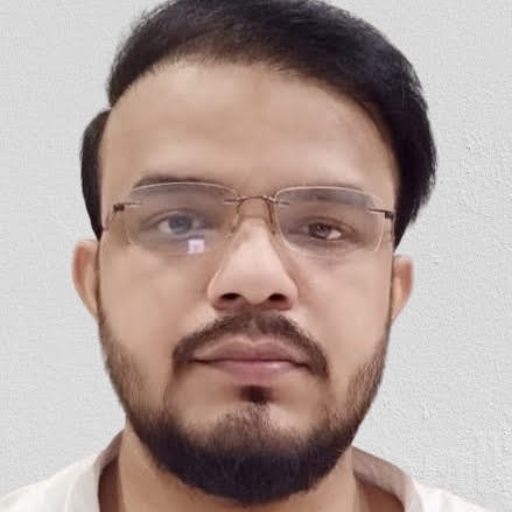
11+ yrs · Nizamuddin · Jangpura · +8 more
₹1000
per session
Dr. Ansarullah AKHTAR is a physiotherapist specialising in Orthopaedic, Neuro, Sports, Geriatric, Post-operative, General physiotherapy, with 11+ years of experience. Available for home sessions in Orderly Bazar, Nadesar, Cantonment.
₹600
per session

8+ yrs · Green Park · Hauz Khas · +114 more
₹600
per session
Dr. Yashika Chaudhary is a physiotherapist specialising in Orthopaedic, Neuro, Sports, Geriatric, Post-operative, Chest, Onco physiotherapy, Women's health, Pediatric, Chronic pain, General physiotherapy, with 8+ years of experience. Available for home sessions in Green Park, Hauz Khas, Safdarjung Enclave.
₹1000
per session
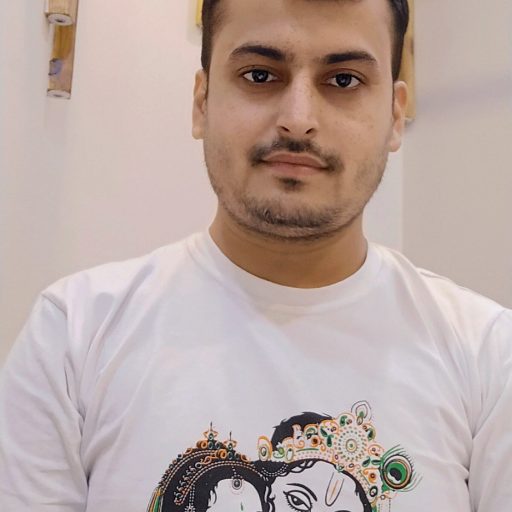
7+ yrs · DLF Phase 1 · DLF Phase 2 · +82 more
₹1000
per session
Dr. Amit Mishra is a physiotherapist specialising in Orthopaedic, Neuro, Sports, Geriatric, Post-operative, Chest, Women's health, Chronic pain, General physiotherapy, Pediatric, with 7+ years of experience. Available for home sessions in DLF Phase 1, DLF Phase 2, DLF Phase 4.
₹800
per session

6+ yrs · Hauz Khas · Green Park · +24 more
₹800
per session
Dr. Ashhar Abbas is a physiotherapist specialising in Sports, Geriatric, Neuro, Orthopaedic, Post-operative, Chest, Chronic pain, General physiotherapy, with 6+ years of experience. Available for home sessions in Hauz Khas, Green Park, Safdarjung Enclave.
₹2500
per session

5+ yrs · Hauz Khas · Green Park · +8 more
₹2500
per session
Dr. Nitish Srivastava is a physiotherapist specialising in Orthopaedic, Sports, Post-operative, Geriatric, Chronic pain, General physiotherapy, with 5+ years of experience. Available for home sessions in Hauz Khas, Green Park, Safdarjung Enclave.
₹900
per session
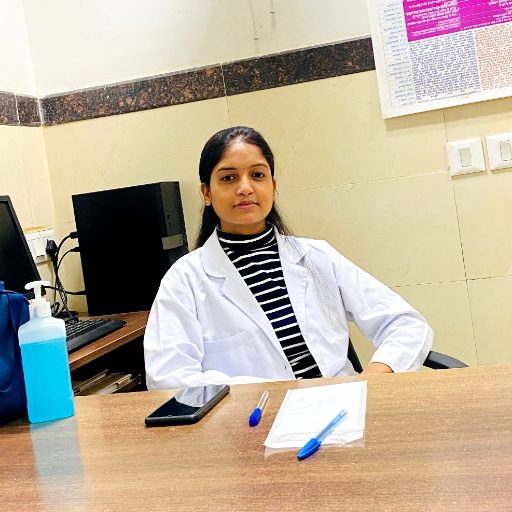
5+ yrs · Lajpat Nagar · Sarita Vihar · +14 more
₹900
per session
Dr. Aradhana Nimesh is a physiotherapist specialising in Neuro, Chronic pain, Women's health, Post-operative, Geriatric, Onco physiotherapy, General physiotherapy, Pediatric, Orthopaedic, with 5+ years of experience. Available for home sessions in Lajpat Nagar, Sarita Vihar, Nehru Place.
₹1000
per session

4+ yrs · Hauz Khas · Green Park · +21 more
₹1000
per session
Dr. Abhinav Pratap Singh is a physiotherapist specialising in Orthopaedic, Sports, Post-operative, General physiotherapy, Chronic pain, Geriatric, with 4+ years of experience. Available for home sessions in Hauz Khas, Green Park, Safdarjung Enclave.
₹1000
per session
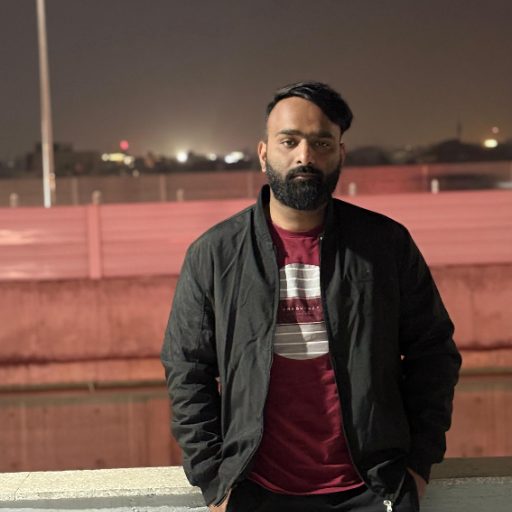
3+ yrs · Hauz Khas · Green Park · +38 more
₹1000
per session
Dr. Chetan Kumar is a physiotherapist specialising in Orthopaedic, Sports, Post-operative, General physiotherapy, with 3+ years of experience. Available for home sessions in Hauz Khas, Green Park, Lajpat Nagar.
₹600
per session

3+ yrs · Green Park · Hauz Khas · +39 more
₹600
per session
Dr. Jagrit Kumar is a physiotherapist specialising in Sports, Post-operative, General physiotherapy, Chronic pain, Orthopaedic, Chest, with 3+ years of experience. Available for home sessions in Green Park, Hauz Khas, Safdarjung Enclave.
₹900
per session

3+ yrs · Hauz Khas · Green Park · +16 more
₹900
per session
Dr. Fazlur Rahman is a physiotherapist specialising in Orthopaedic, with 3+ years of experience. Available for home sessions in Hauz Khas, Green Park, Safdarjung Enclave.
₹800
per session

3+ yrs · Defence Colony · Lajpat Nagar · +27 more
₹800
per session
Dr. Ali Murtaza is a physiotherapist specialising in Neuro, Orthopaedic, Geriatric, General physiotherapy, with 3+ years of experience. Available for home sessions in Defence Colony, Lajpat Nagar, Greater Kailash, & Noida
₹1000
per session

3+ yrs · Lajpat Nagar · Greater Kailash · +5 more
₹1000
per session
Dr. Deepak Rawat is a physiotherapist specialising in Sports, Post-operative, Chest, Geriatric, Chronic pain, General physiotherapy, Orthopaedic, Neuro, with 3+ years of experience. Available for home sessions in Lajpat Nagar, Greater Kailash, South Extension.
Showing 12 of 29
Who usually books home physiotherapy across GK-I, GK-II and the Outer Ring Road edge
The households that gain most are those for whom leaving the building is the hard part. Older adults on builder floors — especially a top storey with no lift — may manage inside the flat yet struggle with the stair to the gate, then Outer Ring Road traffic toward a clinic. People recovering after joint or spine procedures often need supervised walking on their own landing once a surgeon has set precautions. Desk-bound residents in GK-I near M or N Block markets, or in GK-II toward Nehru Place, commonly seek help for neck, shoulder and low-back flare-ups without another commute. Families after a hospital stay use home sessions so a relative can watch transfers on the staircase they will manage mid-week. If the climb or Outer Ring Road crawl cancels clinic appointments, assessment at home can keep rehab on calendar.
Reading Super Physio profiles when your address is GK-I or GK-II — not “somewhere in South Delhi”
Confirm Greater Kailash appears in the localities the clinician serves. A vague offer to cover “all of South Delhi” does not tell you whether they list this filter. Open qualifications, years of practice and notes on post-surgical or older-adult work that match your situation. Compare what the listed session fee includes — assessment length, follow-up duration, and whether upper-floor walk-ups are acknowledged. Ask before you book: have they worked where the top flat has no lift, and do they need your part number (GK-I versus GK-II), block letter and floor count? Prefer a verified listing over an informal referral with no credentials shown. Keep comparing until service area and terms line up with your gate — M Block market side of GK-I differs from a quiet W or S Block lane, and GK-II toward Nehru Place differs again.
What the first session covers — and what to have ready before the clinician climbs your builder floor
The first visit is usually assessment first, treatment second. Expect questions about medical history, medicines, surgical or discharge notes, pain through the day, and what you already manage on your stairs and bathroom. The physiotherapist will watch how you sit, stand, walk and — where safe — negotiate the corridor and sill you use at home. Keep discharge summaries and written precautions ready; do not invent a programme from memory. Clear a small floor patch, wear clothes you can move in, and note whether a household helper can stay for the opening half-hour. Tell them in advance: GK-I or GK-II, block letter (M, N, S, R, W and so on), floor number, whether there is a lift, and a landmark — M or N Block market in GK-I, the GK-II market, Chirag Delhi, or Nehru Place. A clear pin plus landmark beats a vague “Greater Kailash” label. End knowing what to practise between sessions and when to pause for medical review.
Builder floors without lifts: turning a GK flat into a workable treatment space
Much of Greater Kailash’s residential stock is builder floors — three or four levels, a narrow stair, and a top flat that frequently has no lift. That stair is part of the clinical picture. A home session lets the physiotherapist see the rise of your steps, any handrail, corridor width to the bathroom, wet tiles, and the bathroom sill you use daily. Practising sit-to-stand on your own bed or a transfer on your tiles often maps better than a clinic walkway. Mention early if the clinician must carry a bag up several flights. Clear loose rugs if you can, and say whether the patient must cross a landing at night to reach the bathroom. Home care can still be a poor fit when you need specialised clinic equipment, closer monitoring, or you are not stable enough for community treatment — that call stays with your doctor. GK-I versus GK-II, plus the block letter, tells the therapist which gate and stair they are climbing.
Skipping Outer Ring Road clinic trips — what home care gives you here, and what it cannot
Treating at home can remove the Outer Ring Road queue, market-lane auto waits and the stair-down-then-stair-up cycle that turns a short clinic slot into an exhausting half-day from a GK builder floor. Caregivers watch techniques on the exact staircase they will manage between visits. Movement practice happens where you actually live — useful after surgery, with a walking aid, or when traffic makes repeated travel unreliable. Limits are equally real. A living room is not an imaging suite or a fully stocked rehab gym. Sudden red-flag symptoms still need urgent medical care, not a rearranged physio slot. Some goals need clinic machines or closer monitoring than a home visit can provide. Evening congestion around GK markets and approaches toward Nehru Place or Chirag Delhi can constrain late same-day windows. Choose home care when travel is the barrier and your doctor has cleared community treatment; keep clinic pathways when equipment or urgency demand them.
Symptoms that mean urgent care first — not a routine Greater Kailash physio booking
Physiotherapy supports assessed, stable rehabilitation — not sudden emergencies. Do not wait for a booked home visit if you develop sudden severe pain, new weakness or numbness, loss of bladder or bowel control, chest pain or breathlessness, fever with a hot swollen joint, a painful swollen calf, or any post-surgical warning your surgeon told you to watch for. Seek urgent medical care first; proximity to Outer Ring Road, Chirag Delhi or Nehru Place only helps if you go when those signs appear. Once a doctor clears you for community physiotherapy, a Greater Kailash visit can resume with clearer precautions. This page does not replace an individual medical assessment; diagnosis and medicines stay with your doctor.
Session length, climbing GK builder floors, and how often you need visits — what usually shapes the fee
No rupee figure belongs on this page; listed session fees appear on each Super Physio profile so you can compare before you confirm. Several factors still tend to matter. Longer first assessments take more clinician time than shorter follow-ups. Early recovery may need denser frequency than a maintenance phase. Access realities here — climbing walk-ups without a lift, parking near M or N Block markets in GK-I, reaching a GK-II flat when Outer Ring Road approaches are thick — can affect how a therapist plans a slot. Ask what the listed fee includes. Prefer transparent profile pricing over informal quotes from someone not listed for Greater Kailash.
Frequently asked questions
+−Is Greater Kailash covered for home-visit physiotherapy on Super Physio?
Yes. Greater Kailash is a selectable service locality, so profiles that list it for home visits appear here. Say whether you are in GK-I or GK-II, add your block letter and floor, and keep Greater Kailash selected when that matches your gate. Edit only if your address sits in a neighbouring locality such as East of Kailash, Lajpat Nagar or Nehru Place.
+−Which Greater Kailash pockets does this page include — GK-I, GK-II, markets and edges?
Think of two parts first: GK-I and GK-II. Inside GK-I, residents commonly navigate by block letters such as M, N, S, R and W, with distinct market fronts at M Block and N Block. GK-II has its own market and residential lanes. Edges toward Chirag Delhi, Nehru Place and Outer Ring Road are everyday landmarks when describing a gate. Super Physio treats Greater Kailash as one locality filter; part number and block still matter for finding the stair.
+−Can I change or widen the Greater Kailash locality filter after I open this page?
Yes. Filters stay editable. Keep Greater Kailash selected when that is where you live. Add or switch to another listed locality — East of Kailash, Defence Colony, Lajpat Nagar, Chittaranjan Park or Nehru Place — only when your gate truly sits there. Widening for convenience can show clinicians who do not serve your building; check localities on the profile before booking.
+−Will I see the session fee before booking a Greater Kailash visit?
Yes. Each Super Physio profile shows listed session terms so you can compare before you confirm. Ask what the listing covers — first-assessment length, follow-up duration, and notes for upper-floor walk-ups without a lift. Prefer that listing over an informal quote from someone who does not list Greater Kailash.
+−What if no Greater Kailash slot matches the time I want?
Try another window on the same profile, or shortlist a different clinician who still lists Greater Kailash. Peak Outer Ring Road congestion can shrink evening options. If nothing fits, use the booking or support path in Super Physio rather than accepting someone who does not serve this area.
+−Does reading this Greater Kailash page count as a medical assessment?
No. It is a directory and orientation layer for booking home-visit care in this locality. It cannot examine you, interpret your scans, change medicines, or clear you after surgery. Diagnosis stays with your doctor; any physiotherapy plan should follow a hands-on review plus precautions you already have. For red-flag symptoms, seek urgent care first.
+−How long is a typical home session in Greater Kailash, and how often might visits run?
Length and frequency vary with your condition, recovery stage and what the clinician finds on assessment — there is no single timetable for every GK-I or GK-II household. First visits often run longer because history and home checks take time; later sessions may focus on progression. Ask for a provisional plan and expect adjustments as you improve.
Sources
Educational information only — not personal medical advice. Recovery plans vary; follow your treating doctor or surgeon when their instructions differ.