Nehru Place · Delhi
Book a verified physiotherapist at home in Nehru Place
Nehru Place is South Delhi’s DDA-planned district centre — a concrete plaza of office towers and a long-standing computer and electronics market — not a quiet residential colony. Most people who search for a home visit “in Nehru Place” either work in those towers or live in the residential pockets that wrap the commercial core: Kalkaji, Chittaranjan Park, Greater Kailash and East of Kailash. The Violet Line metro station sits on the Outer Ring Road edge and links the business centre with those neighbourhoods. This Super Physio page lists clinicians who name Nehru Place for home visits so you can open qualifications, experience and session terms before you request a slot. Say whether the pin is a named tower, a market-side entry, or a flat in an adjoining colony; availability still turns on that address and preferred window. If your gate is clearly labelled Kalkaji or Greater Kailash on delivery maps, switch the filter. Nothing here can stand in for a clinician’s individual medical assessment.
Verified profiles
Qualifications and experience are checked before physiotherapists go live.
Home visits
Sessions happen at your address — no clinic commute for every follow-up.
Transparent fees
See the session fee on each profile before you book.
Editable filters
Locality stays selected, and you can still change area or timing.
Home-visit physiotherapists serving Nehru Place
Filters below stay editable. Availability depends on your exact address and preferred time.
20 physios available for home visits in Nehru Place
Also available nearby
₹1000
per session

11+ yrs · Nizamuddin · Jangpura · +8 more
₹1000
per session
Dr. Ansarullah AKHTAR is a physiotherapist specialising in Orthopaedic, Neuro, Sports, Geriatric, Post-operative, General physiotherapy, with 11+ years of experience. Available for home sessions in Orderly Bazar, Nadesar, Cantonment.
₹800
per session

6+ yrs · Hauz Khas · Green Park · +24 more
₹800
per session
Dr. Ashhar Abbas is a physiotherapist specialising in Sports, Geriatric, Neuro, Orthopaedic, Post-operative, Chest, Chronic pain, General physiotherapy, with 6+ years of experience. Available for home sessions in Hauz Khas, Green Park, Safdarjung Enclave.
₹1200
per session

5+ yrs · Lajpat Nagar · Malviya Nagar · +72 more
₹1200
per session
Dr. Sukhvendra Singh is a physiotherapist specialising in Sports, General physiotherapy, Chronic pain, Women's health, Post-operative, Neuro, Orthopaedic, with 5+ years of experience. Available for home sessions in Lajpat Nagar, Malviya Nagar, Saket.
₹2500
per session

5+ yrs · Hauz Khas · Green Park · +8 more
₹2500
per session
Dr. Nitish Srivastava is a physiotherapist specialising in Orthopaedic, Sports, Post-operative, Geriatric, Chronic pain, General physiotherapy, with 5+ years of experience. Available for home sessions in Hauz Khas, Green Park, Safdarjung Enclave.
₹900
per session
5+ yrs · Lajpat Nagar · Sarita Vihar · +14 more
₹900
per session
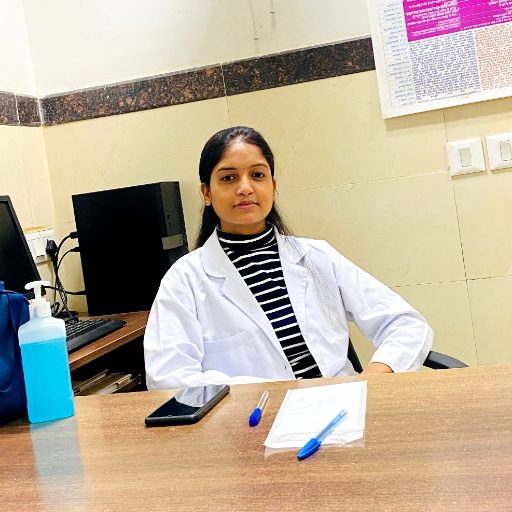
Dr. Aradhana Nimesh is a physiotherapist specialising in Neuro, Chronic pain, Women's health, Post-operative, Geriatric, Onco physiotherapy, General physiotherapy, Pediatric, Orthopaedic, with 5+ years of experience. Available for home sessions in Lajpat Nagar, Sarita Vihar, Nehru Place.
₹1000
per session
3+ yrs · Hauz Khas · Green Park · +38 more
₹1000
per session
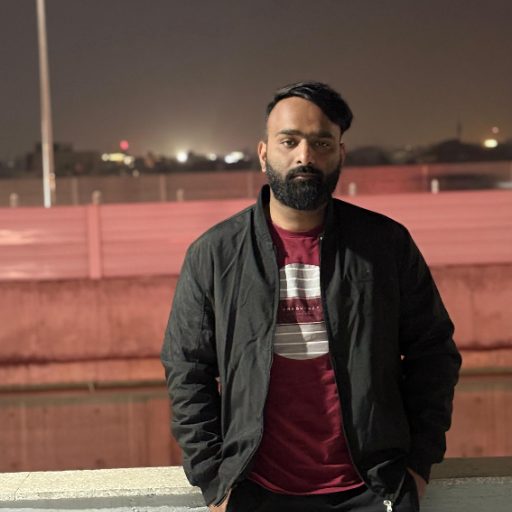
Dr. Chetan Kumar is a physiotherapist specialising in Orthopaedic, Sports, Post-operative, General physiotherapy, with 3+ years of experience. Available for home sessions in Hauz Khas, Green Park, Lajpat Nagar.
₹600
per session

3+ yrs · Green Park · Hauz Khas · +39 more
₹600
per session
Dr. Jagrit Kumar is a physiotherapist specialising in Sports, Post-operative, General physiotherapy, Chronic pain, Orthopaedic, Chest, with 3+ years of experience. Available for home sessions in Green Park, Hauz Khas, Safdarjung Enclave.
₹800
per session

3+ yrs · Defence Colony · Lajpat Nagar · +27 more
₹800
per session
Dr. Ali Murtaza is a physiotherapist specialising in Neuro, Orthopaedic, Geriatric, General physiotherapy, with 3+ years of experience. Available for home sessions in Defence Colony, Lajpat Nagar, Greater Kailash, & Noida
₹699
per session

3+ yrs · Nehru Place · South Extension · +12 more
₹699
per session
Dr. Zubair Bhat is a physiotherapist specialising in Orthopaedic, Neuro, Post-operative, General physiotherapy, with 2+ years of experience. Available for home sessions in Model Town, Civil Lines, New Jawahar Nagar.
₹1000
per session
2+ yrs · Hauz Khas · Green Park · +35 more
₹1000
per session
Dr. Aatif Hasan is a physiotherapist specialising in Orthopaedic, Neuro, Geriatric, Chest, Post-operative, Chronic pain, General physiotherapy, with 2+ years of experience. Available for home sessions in Hauz Khas, Green Park, Greater Kailash.
₹1000
per session

0+ yrs · Hauz Khas · Defence Colony · +8 more
₹1000
per session
Dr. Nazreen Fatma is a physiotherapist specialising in General physiotherapy, with 0+ years of experience. Available for home sessions in Hauz Khas, Defence Colony, Lajpat Nagar.
₹1000
per session
21+ yrs · Janakpuri · Punjabi Bagh · +38 more
₹1000
per session
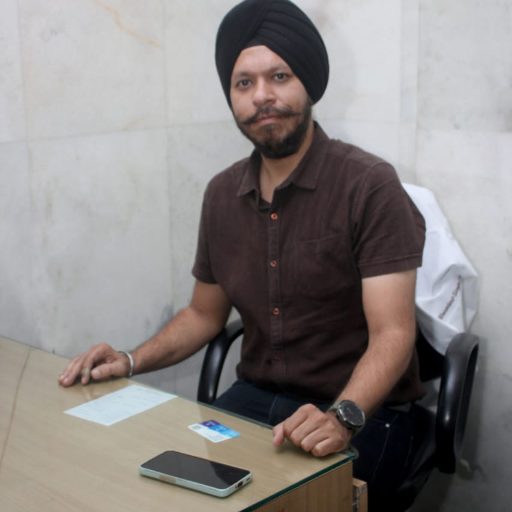
Dr. Bhavdeep Singh is a physiotherapist specialising in Orthopaedic, Neuro, Geriatric, Post-operative, Chest, Onco physiotherapy, Chronic pain, General physiotherapy, Sports, with 21+ years of experience. Available for home sessions in Janakpuri, Punjabi Bagh, Rajouri Garden.
Showing 12 of 20
Who usually needs a home visit when the pin says Nehru Place — towers, markets and adjoining flats
The commercial plaza itself is offices, hardware shops and transit — not rows of family plots. Demand under this filter therefore splits. Desk workers in the district-centre towers commonly seek help for neck, shoulder and low-back strain after long screen weeks when another Outer Ring Road auto to a clinic feels like a second commute. People recovering after joint or spine procedures may be staying temporarily with relatives in Kalkaji or Chittaranjan Park while still using Nehru Place as the map label they know. Older adults in the residential belt around the plaza often manage indoors yet struggle with Violet Line stairs, market-lane crowds or the climb back from a clinic slot timed around peak plaza traffic. Caregivers coordinating post-discharge mobility sometimes book so practice happens in the flat or guest room actually used at night, not in a corridor of the electronics market. Suitability still depends on diagnosis, medical clearance and a hands-on assessment — living or working near the district centre does not create a generic exercise plan.
After you confirm a Nehru Place slot: scheduling, access notes, payment and support
Once you choose a physiotherapist and complete booking, you should receive a confirmed session with the clinician, window and fee shown before you pay. Keep your phone reachable for access questions — tower name and floor if you are in the commercial complex, society gate or block if you are in an adjoining pocket, and whether entry is easier from the Violet Line side, Outer Ring Road, or a Kalkaji / CR Park approach. Weekday plaza congestion and weekend market footfall can slow the last stretch, so leave clear landmark notes rather than “Nehru Place only.” Payment follows the booking flow; resolve unclear duration or inclusions before the visit. To reschedule or cancel, use the path in your confirmation early; last-minute swaps are harder once the therapist is already circling the district centre. After the first session, follow-up timing is agreed from how you respond and any medical advice you already have. If your preferred hour is full, keep Nehru Place selected and try another window or another verified profile that still lists this locality.
Treating where you actually recover: office-adjacent flats, walk-ups and tower access — not the plaza floor
A home session under this filter almost never happens on the open commercial plaza. It happens in the space you sleep and move in: a relative’s flat toward Kalkaji or Chittaranjan Park, a Greater Kailash or East of Kailash builder floor, or occasionally a service apartment or staff room tied to the office towers. The physiotherapist needs to see the stair or lift you use, corridor width to the bathroom, wet tile sills, and chair or bed height — details the electronics market cannot show. Say early whether the clinician must clear security at a named tower, climb a walk-up without a lift, or park near Outer Ring Road and walk the last lane. Clear a small floor patch if you can, and note whether weekend market crowds change which gate is realistic. Home care can still be a poor fit when you need specialised clinic equipment, closer monitoring, or you are not stable enough for community treatment — that call stays with your doctor. The Nehru Place label gets the booking to the right service area; your tower, floor or colony pin tells them which door to open.
Who should be present when work is in the towers and home is in the surrounding colonies
Because Nehru Place is predominantly commercial, the caregiver pattern is often split across addresses. An adult child may work in the district centre while an older parent lives in Kalkaji, Chittaranjan Park or Greater Kailash; the visit still needs someone at the residential door who knows the stair, bathroom sill and how the patient usually moves. For the first assessment — especially after surgery, with a walking aid, or when balance is fragile — arrange for a spouse, relative, trusted neighbour or attendant to stay at least through that opening half-hour. They learn safer sit-to-stand cues and which transfers to rehearse between sessions on the same landing. Office colleagues cannot fill that role from a tower lobby. If family only meets mid-week near the Violet Line after office hours, schedule teaching visits when the person who manages nights and mornings can attend. Share gate codes, parking constraints around the plaza, and whether the patient is alone overnight. Prefer a verified clinician who will pause and redirect if warning signs appear, rather than pushing through a set when nobody reliable is home.
Skipping another Outer Ring Road clinic trip — what home care gives you here, and what it cannot
Treating at home can remove repeated loops through Outer Ring Road congestion, Violet Line stair climbs and the crowded approaches to the commercial plaza that turn a short clinic slot into an exhausting half-day — especially for someone who already spent the day in a tower desk or who lives in an adjoining colony without a lift. Caregivers watch techniques on the exact staircase they will manage between visits. Movement practice happens where the patient actually recovers, which matters after surgery or when dizziness makes market-lane crowds unsafe. Limits are equally honest. A drawing room is not an imaging suite or a fully stocked rehab gym. Peak weekday office traffic and weekend electronics-market footfall can still delay arrival even when the therapist serves Nehru Place. Some progressions need clinic machines or closer monitoring than a home visit can provide. Choose home when travel and environment are the main barriers and your doctor has cleared community-based care; keep clinic or hybrid pathways when equipment or urgency demand them. Neither setting replaces your doctor’s advice.
Warning signs that need urgent care before any Nehru Place physio slot
Physiotherapy supports assessed, stable rehabilitation — not sudden emergencies. Do not wait for a booked home visit if you develop sudden severe pain, new weakness or numbness, loss of bladder or bowel control, chest pain or breathlessness, fever with a hot swollen joint, a painful swollen calf, or any post-surgical warning your surgeon told you to watch for. Seek urgent medical care first; proximity to Outer Ring Road hospitals or the Violet Line only helps if you go when those signs appear. Once a doctor clears you for community physiotherapy, a Nehru Place–filter visit can resume with clearer precautions. Tell any physiotherapist about new warning signs since your last medical review — they should pause and redirect you rather than push through a planned exercise set. This page is orientation for booking, not a diagnosis.
Keeping gains going between visits when your week runs through the district centre
Progress after the first assessment depends on what you practise on the days the clinician is not there. Expect a short home programme matched to your flat or temporary room — sit-to-stand on your own chair, supervised corridor walks, or graded desk breaks if neck and shoulder strain came from tower hours — not a printout copied from another South Delhi patient. Agree review points: when to increase load, when to hold, and when to contact your doctor if pain, swelling or neurological symptoms change. If you work in the commercial complex and recover in an adjoining colony, be honest about which space you can actually use mid-week; a programme designed for a wide drawing room fails in a compact guest room. Keep follow-up slots realistic around Outer Ring Road peak hours rather than stacking late evenings that the plaza traffic routinely erases. Use Super Physio to stay with a verified clinician who already lists Nehru Place, and bring questions from your home practice to the next visit instead of inventing new exercises from videos.
Frequently asked questions
+−Does this Nehru Place page replace an individual medical assessment?
No. It is only a booking and orientation layer for clinicians who list Nehru Place for home visits. It cannot examine you, interpret scans, change medicines, or clear you after surgery. Diagnosis and prescriptions stay with your doctor; any physiotherapy plan should follow a hands-on review plus precautions you already have. For red-flag symptoms, seek urgent care first.
+−What equipment do I need at home for a visit booked under Nehru Place?
Most early sessions need only a clear floor space, a firm chair and any walking aid or brace your clinician already prescribed. Therapists often bring basic assessment tools; specialised clinic machines are not assumed in a tower-adjacent flat, Kalkaji walk-up or temporary guest room. Ask ahead if your plan may need a resistance band or gait belt, and say whether space is tight.
+−How long is a session, and how often will I need visits around Nehru Place?
A first visit is often longer because it includes history, movement assessment and goal setting; follow-ups are usually shorter. Frequency might be several times a week early after surgery and taper as independence improves, or stay less frequent for desk-related neck and back strain from tower work. Your physiotherapist should propose a plan based on your condition and how you respond — not a fixed calendar copied from another patient near the plaza.
+−Does someone from the family need to be at home for the physiotherapist?
Not for every minute of every session, but someone who knows the stair and how the patient usually moves should stay for the first assessment — especially after surgery, with a walking aid, or when an older adult lives in an adjoining colony while relatives work in the Nehru Place towers. A neighbour or attendant can fill that role if needed; remote family should still receive clear precautions and know who opens the door.
+−How does Super Physio show that a physiotherapist is verified for Nehru Place?
Open each listing for the verification and credential details shown on the profile, plus qualifications, experience and the localities they serve. Confirm Nehru Place is named before you book — a vague “South Delhi” claim is not the same filter. Prefer a verified Super Physio profile over an informal referral that shows no credentials. Verification helps you compare professionals; it is not a medical diagnosis or a guarantee of a particular outcome.
Sources
- Nehru Place — Wikipedia (DDA district centre; South Delhi commercial geography)
- Nehru Place Metro Station — Delhi Metro Rail Corporation (Violet Line)
- Times of India — Nehru Place district centre and computer-goods market context
- NHS — Physiotherapy: how it works and when to seek help
- NICE NG59 — Low back pain and sciatica in over 16s
Educational information only — not personal medical advice. Recovery plans vary; follow your treating doctor or surgeon when their instructions differ.