Kanjurmarg · Mumbai
Home physiotherapy in Kanjurmarg’s quieter station suburb
Kanjurmarg is a largely residential Central Line stop in east-central Mumbai — between Bhandup to the north and Vikhroli to the south — named for the older Kanjur village rather than for a commercial hub. West of the station, the Jogeshwari–Vikhroli Link Road (JVLR) opens toward Powai; east of the tracks the Eastern Express Highway and low-lying creek edge, with mangroves and salt pans, keep many pockets quieter than neighbouring mill-era stretches. Super Physio lists physiotherapists who include Kanjurmarg among their home-visit localities so you can weigh qualifications, experience and listed specialties against your East or West pin. A matching profile does not lock a slot at your society; that still depends on the exact address and timing. Keep the locality filter editable if your gate feels closer to Bhandup, Vikhroli or Powai. Reading this page is not the same as being examined by a clinician who has seen your injury in person.
Verified profiles
Qualifications and experience are checked before physiotherapists go live.
Home visits
Sessions happen at your address — no clinic commute for every follow-up.
Transparent fees
See the session fee on each profile before you book.
Editable filters
Locality stays selected, and you can still change area or timing.
Home-visit physiotherapists serving Kanjurmarg
Filters below stay editable. Availability depends on your exact address and preferred time.
19 physios available for home visits in Kanjurmarg
Also available nearby
₹1000
per session
16+ yrs · Prabhadevi · Worli · +28 more
₹1000
per session
Dr. Ramya Dsouza is a physiotherapist specialising in Orthopaedic, Neuro, Sports, Geriatric, Post-operative, Chest, Onco physiotherapy, Women's health, Chronic pain, General physiotherapy, with 16+ years of experience. Available for home sessions in Prabhadevi, Worli, Colaba.
₹1000
per session
4+ yrs · Vikhroli · Kanjurmarg · +7 more
₹1000
per session
Dr. Chaitali Mali is a physiotherapist specialising in Neuro, Orthopaedic, Geriatric, Post-operative, Women's health, Pediatric, General physiotherapy, Chronic pain, with 4+ years of experience. Available for home sessions in Vikhroli, Kanjurmarg, Ghatkopar.
₹1200
per session
3+ yrs · Mulund · Powai · +16 more
₹1200
per session
Dr. Praisy Sam is a physiotherapist specialising in Masters in high performance sport (S&C), Orthopaedic, Sports, Geriatric, Post-operative, General physiotherapy, Chronic pain, Women's health, with 3+ years of experience. Available for home sessions in Mulund, Powai, Nahur.
₹800
per session

3+ yrs · Sion · Chembur · +29 more
₹800
per session
Dr. Rani Ojha is a physiotherapist specialising in Orthopaedic, Neuro, Geriatric, Post-operative, Chest, Onco physiotherapy, Chronic pain, General physiotherapy, with 3+ years of experience. Available for home sessions in Sion, Chembur, Ghatkopar.
₹900
per session
3+ yrs · Matunga · Andheri West · +19 more
₹900
per session
Dr. Pooja Parab is a physiotherapist specialising in Orthopaedic, Sports, Women's health, General physiotherapy, Chronic pain, with 3+ years of experience. Available for home sessions in Matunga, Andheri West, Lokhandwala.
₹1500
per session
3+ yrs · Worli · Mahalaxmi · +18 more
₹1500
per session
Dr. Pooja Chaurasia is a physiotherapist specialising in Neuro, Orthopaedic, Geriatric, Post-operative, Chest, Women's health, Chronic pain, Pediatric, General physiotherapy, with 3+ years of experience. Available for home sessions in Worli, Mahalaxmi, Prabhadevi.
₹1000
per session
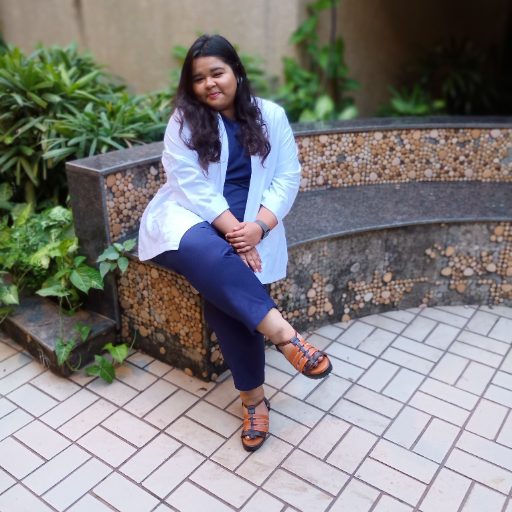
2+ yrs · Ghatkopar · Vikhroli · +17 more
₹1000
per session
Dr. Latika Demblani is a physiotherapist specialising in Orthopaedic, Geriatric, Post-operative, General physiotherapy, Neuro, Chronic pain, with 2+ years of experience. Available for home sessions in Kalyan - Ghatkopar, Shahad, Ulhasnagar, Ambernath
₹1200
per session
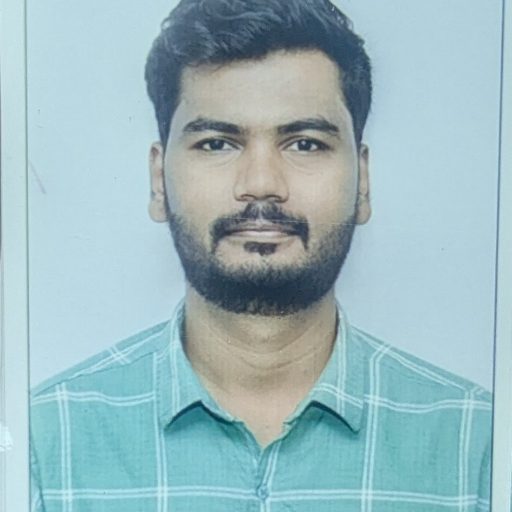
2+ yrs · Andheri East · Chembur · +9 more
₹1200
per session
Dr. Vaibhav Gaikwad is a physiotherapist specialising in Orthopaedic, Neuro, Sports, Geriatric, Post-operative, General physiotherapy, with 2+ years of experience. Available for home sessions in Andheri East, Chembur, Ghatkopar.
₹1500
per session
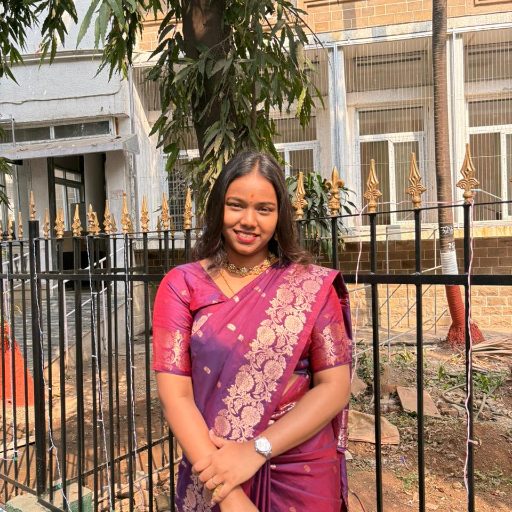
1+ yrs · Kurla · Ghatkopar · +21 more
₹1500
per session
Dr. Prachi More is a physiotherapist specialising in General physiotherapy, Orthopaedic, Neuro, Sports, Chronic pain, with 1+ years of experience. Available for home sessions in Kurla, Ghatkopar, Sion.
₹1000
per session
15+ yrs · Bhandup · Vikhroli · +12 more
₹1000
per session
Dr. Mohd Danish is a physiotherapist specialising in Orthopaedic, Neuro, Geriatric, Post-operative, General physiotherapy, with 15+ years of experience. Available for home sessions in Bhandup, Vikhroli, Kanjurmarg.
₹1200
per session
15+ yrs · Mulund · Bhandup · +1 more
₹1200
per session
Dr. Sonam Doshi is a physiotherapist specialising in Orthopaedic, Neuro, Sports, Geriatric, Post-operative, Pediatric, Chronic pain, General physiotherapy, Women's health, Chest, with 15+ years of experience. Available for home sessions in Mulund, Bhandup, Kanjurmarg.
₹1000
per session
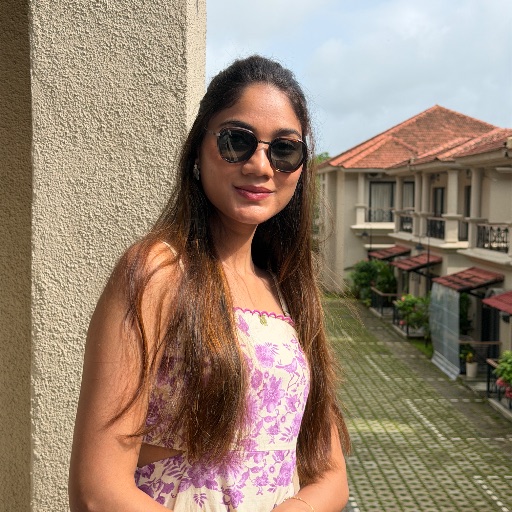
8+ yrs · Colaba · Cuffe Parade · +38 more
₹1000
per session
Dr. Shreya Shah is a physiotherapist specialising in Orthopaedic, Neuro, Sports, Geriatric, Post-operative, Chest, Onco physiotherapy, Women's health, Pediatric, Chronic pain, General physiotherapy, with 8+ years of experience. Available for home sessions in Colaba, Cuffe Parade, Nariman Point.
Showing 12 of 19
How a clinician reaches a Kanjurmarg flat once you book
On Super Physio, therapists choose which Mumbai localities they cover for home visits. With Kanjurmarg selected, you only see profiles that list this suburb — not a vague “eastern suburbs” or Powai-only label. After you confirm a slot, the clinician comes to your flat rather than asking you to manage Central Line platforms, a JVLR crawl toward Powai, or an Eastern Express Highway approach while you are already sore. The first session is usually history and movement assessment in the rooms you use: bed height, bathroom step, whether there is a working lift, how many flights an older colony walk-up still demands, and how much clear floor a newer tower living room actually offers. Say East or West at the outset — PIN codes here split as 400042 (East) and 400078 (West) — and name a landmark such as Kanjurmarg station, the JVLR approach toward Powai, or a society nearer the creek-side highway flank, so the travel plan matches the gate you will open. Bring any discharge summary or surgical precautions. From that visit they can suggest a plan matched to your stage of recovery, not a sheet copied for every Central Line address.
Why the outbound hop from this station suburb is often the hard part
Kanjurmarg station is the rail gateway many people use for Powai destinations such as IIT Bombay and Hiranandani Gardens, yet the suburb itself remains a quieter residential stop rather than that lake-side commercial cluster. Getting to a clinic can still mean crossing the Central Line, waiting through JVLR peak traffic toward Powai or Andheri, or threading toward the Eastern Express Highway while someone is on a walker or freshly discharged. Auto rides that look short on a map stretch when monsoon water sits on the low creek-facing approaches, or when family members must escort an elderly parent from an older colony stairwell to the platform. Desk and two-wheeler commuters who already use the JVLR westbound or the highway eastbound often prefer not to add another outbound clinic hop for neck or lower-back flare. Home-visit physiotherapy removes the patient’s need to enter that crush — so energy goes into assessment and practice instead of station stairs and link-road queues.
Older colonies and newer towers: treating the rooms you actually use
A Kanjurmarg session is shaped by housing mix as much as by the suburb name. East-side pockets nearer the older village grain and the mangrove–salt-pan creek edge often mean quieter lanes, narrower landings and walk-ups without a reliable lift; West-side and JVLR-facing complexes may add packed lift lobbies, long corridors and bathroom steps never designed for a walker. Practising sit-to-stand, transfers and indoor walking where you sleep lets the physiotherapist see those barriers directly — bed height, gallery width, wet-bathroom thresholds, and whether a caregiver can stand beside you on the stairs. Clear a short stretch of floor if you can, keep a firm chair nearby, and note lift status and visitor-gate rules when you book. You need honest space in the rooms you actually use, not a clinic-style gym carved out of a living room. Mention whether the approach is from the station side, the JVLR, or the highway flank so entry coaching matches the building you live in.
Symptoms that need a hospital desk before any Kanjurmarg home slot
Home physiotherapy supports planned rehabilitation; it is not emergency care. Do not wait for a routine visit if you notice red-flag symptoms: sudden severe pain; new or worsening weakness or numbness; chest pain or breathlessness; a painful swollen calf; fever with a hot red joint; a surgical wound that is red, hot or discharging; loss of bladder or bowel control; difficulty speaking or a sudden change in alertness; or any warning sign your surgeon told you to watch for. Seek urgent medical attention first — a physiotherapist arriving near the station, JVLR or Eastern Express Highway cannot replace casualty assessment. Families sometimes delay because escorting someone across Central Line platforms or through link-road traffic already feels hard; that delay is unsafe when these signs appear. Once acute issues are ruled out and your clinician agrees community physiotherapy is appropriate, a home visit can focus on safe movement in your own rooms. Recovery speed varies; nobody here can promise a fixed date.
What changes the fee you see for a Kanjurmarg home session
Each Super Physio profile shows its own session fee before you commit; there should be no hidden add-ons attached to the listed fee. What usually differs is session length, how often follow-up is proposed, and travel inside the suburb — a short review near Kanjurmarg station is a different hop from a longer first assessment in a creek-facing East pin off the Eastern Express Highway, or a West tower approached via the JVLR toward Powai. A first assessment after discharge may run longer than a later mobility check. Frequency is individual: some people need closer early review; others space visits once a home programme is underway. Do not treat a Bhandup, Vikhroli or Powai neighbour’s rate as yours, and do not assume a therapist who covers Powai automatically prices a quieter Kanjurmarg East colony the same way. Read the fee on the profile, confirm Kanjurmarg is listed, and ask what that session includes before you book.
Between visits: the home programme that keeps station-area recovery moving
Most gains between sessions come from short, repeated practice in the same rooms: bed mobility, sit-to-stand, indoor walking, graded stair work if your colony walk-up still demands it, and the exercises set after your physiotherapist saw your space. Write down the dose — how many, how often, and which pain levels mean stop — rather than improvising harder work after a stiff morning commute on the Central Line or JVLR. Ask for a review when stairs suddenly worsen, night pain changes character, a brace or walker prescription changes, or you are unsure whether to push further before the next slot. Follow-up frequency is individual; an older East walk-up may need more stair coaching than a West tower flat with a reliable lift. Adjust the booking on Super Physio if the diary needs to change, and keep Kanjurmarg selected so continuity stays with therapists who still list this locality.
Frequently asked questions
+−Do Super Physio physiotherapists actually cover Kanjurmarg for home visits?
Yes — this page pre-selects Kanjurmarg so you only browse profiles that list it among their home-visit localities. A listing still does not guarantee a free slot at your exact society and preferred time; availability depends on the therapist’s diary and your pin. If results look thin, widen the window or check whether your gate is genuinely closer to Bhandup, Vikhroli or Powai.
+−Which pockets count — East village side, West near JVLR, or only the station lanes?
Profiles that list Kanjurmarg typically treat the locality as a whole, but travel time differs by pocket. East (often PIN 400042) tends toward quieter older-colony and creek-facing approaches; West (often PIN 400078) sits closer to the station–JVLR side toward Powai. Say East or West plus a society or landmark when you book so the therapist’s route matches your gate.
+−Is a home session in Kanjurmarg appropriate after joint or fracture surgery?
Often yes, once your surgeon or treating doctor has cleared community physiotherapy — especially when station stairs, JVLR traffic or a highway approach would make an early clinic trip unsafe. The first home visit should follow any written precautions on weight-bearing, wound care and forbidden movements. This page cannot clear you for rehab; only your own clinician can.
+−Can I use this Kanjurmarg guide instead of seeing a doctor or physiotherapist in person?
No. What you are reading is locality orientation and general education about arranging home visits here. It cannot diagnose pain, interpret scans, clear you after an operation, or change medicines. Any physiotherapy plan should follow a hands-on assessment and the instructions your own doctor or surgeon has already given — this content never substitutes for that individual medical assessment.
+−How long is a typical home session here, and how often will I need one?
Length and frequency are individual. A first assessment in a Kanjurmarg walk-up or tower may run longer than a follow-up, and some people need closer review early after discharge while others space visits once a home programme is underway. Your physiotherapist should explain what that session includes and when to book again — never treat a neighbour’s diary as yours.
+−Does someone from the family need to stay for the whole Kanjurmarg visit?
Not for every appointment, but the first session is clearer when someone who knows the flat’s stairs, lift and bathroom can stay — especially for an older relative in a no-lift East colony or someone newly discharged. If the patient lives alone, mention that when booking so entry and coaching can be planned. Caregivers should reinforce what was taught, not invent new exercises between sessions.
+−Anything particular for elderly patients living around Kanjurmarg station?
Yes — the building often matters as much as the diagnosis. Older colony walk-ups and quieter East pockets may lack a lift or have landings too narrow for a walker, while newer West towers can still mean long corridors and crowded lobbies. Tell the physiotherapist your floor number, lift status and whether a caregiver can stay for the first visit. Home care can reduce repeated trips through Central Line crowds and JVLR traffic, but it does not replace medical review if red-flag symptoms appear.
Sources
- Kanjur Marg — Wikipedia (east-central Mumbai suburb; Central Line station; access point toward Powai; East PIN 400042 / West PIN 400078)
- Jogeshwari–Vikhroli Link Road — Wikipedia (JVLR connecting Western and Eastern Express Highways via the Kanjur / Powai corridor)
- NICE NG211 — Rehabilitation after traumatic injury (home or remote rehabilitation when travel is not possible)
- NHS — Physiotherapy: how it works and what to expect
Educational information only — not personal medical advice. Recovery plans vary; follow your treating doctor or surgeon when their instructions differ.